
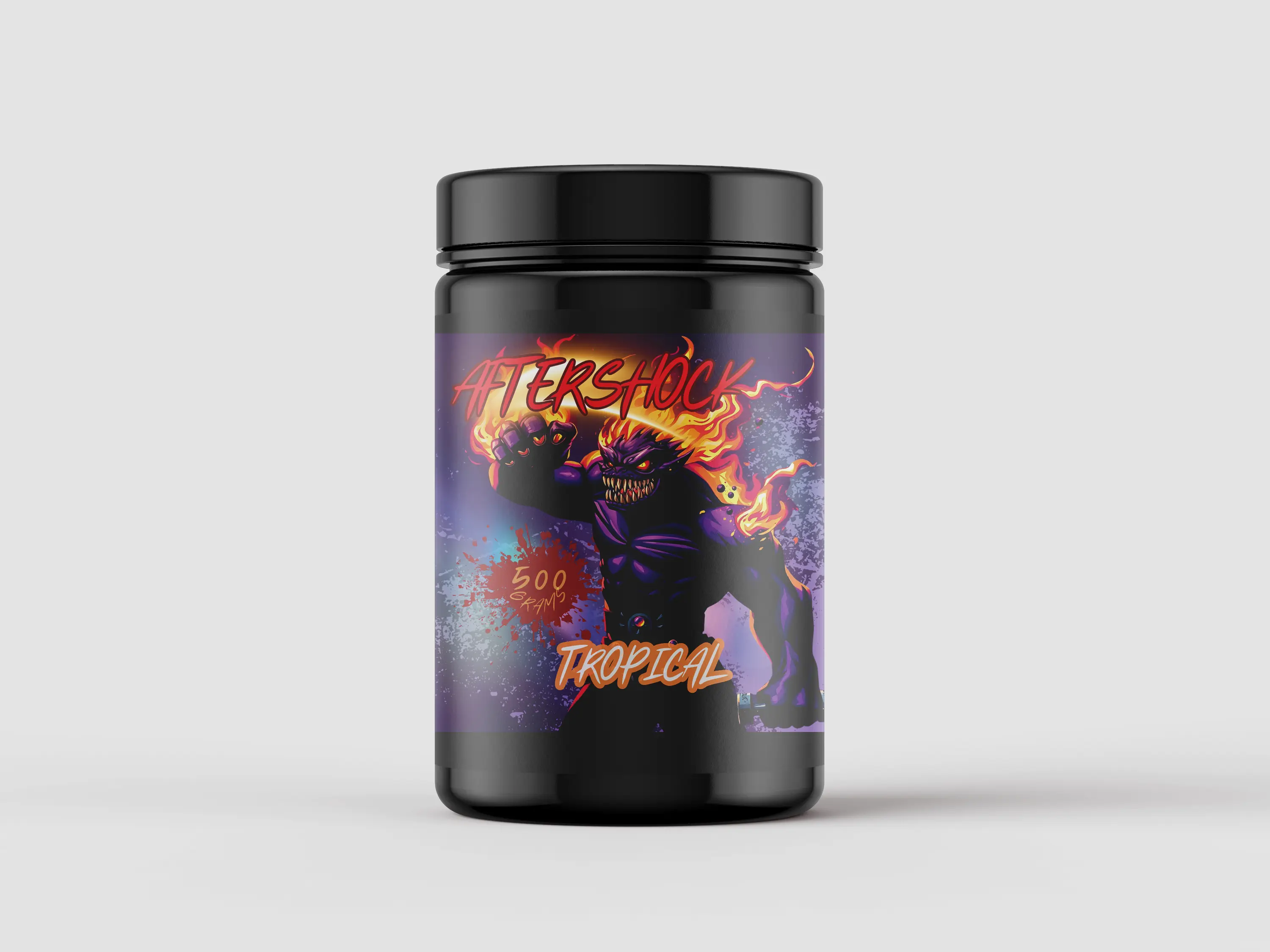
A caffeine-free pre-workout makes the most sense when you do not want your training to rely on stimulation. Usually that means evening sessions, higher caffeine sensitivity, or periods when you want to back off stimulants. That does not mean weaker training. It means a different type of support.
A good stim-free formula is not trying to mimic caffeine. It is built around things that still matter without the "kick": pump, training comfort, consistent output, and a calmer evening after the session.
When a stim-free pre-workout makes the most sense
Evening training
Caffeine is one of the best-studied ergogenic aids, but later doses can interfere with sleep. With evening training, that often creates a simple trade-off: more acute stimulation versus easier sleep and recovery afterward.
If you train after work and still want a reasonable chance of winding down at night, a stimulant-free approach is often the cleaner option. We cover that trade-off in more detail in Caffeine and Sport.
Stimulant sensitivity
Some people can drink coffee late and sleep just fine. Others get jitters, a racing heart, restlessness, or trouble falling asleep from a relatively small dose. If that sounds familiar, the issue may not be your training at all. It may simply be that stimulants do not fit you well.
Caffeine cycling
If you use caffeine often, it helps to have a backup plan. A stim-free pre-workout lets you keep the training ritual without feeling like every productive session depends on another stimulant hit.
What to expect from a caffeine-free pre-workout
The biggest mistake is expecting the same sensation as caffeine. That is not a realistic benchmark.
A good caffeine-free pre-workout is more likely to give you:
- better training comfort
- more noticeable pump
- steadier focus without the edgy feeling
- less risk of hurting sleep late in the day
If your session is more about technique, volume, or consistency than brute stimulation, that is often exactly what you need.
Which ingredients can make sense in a stim-free formula
Citrulline
Citrulline malate is one of the most common ingredients for pump and training comfort. Research in resistance training suggests it may help especially with repetitions to failure and perceived exertion, although the effect is not dramatic or universal in every study.
In practice, a transparent label matters more than hype.
Creatine
Creatine monohydrate is not a stimulant and does not depend on caffeine. If you already take creatine every day, it does not have to be part of your pre-workout. If you do not, it can still fit inside a well-built formula.
Betaine
Betaine shows up in sports nutrition mostly in formulas aimed at strength output and training volume. It is not the ingredient that carries the whole product, but it can make sense inside a thoughtful blend.
L-theanine and nootropic support
L-theanine is often paired with caffeine, but it does not require caffeine to be relevant. In a stim-free formula, it can help create a calmer, less jagged kind of focus. The same applies to lion's mane and other nootropic ingredients: they can complement the mental side of training, but they should not be marketed as a substitute for stimulant energy.
Who benefits most from this type of product
People who train in the evening
If you usually train between 5 PM and 9 PM, it often makes more sense not to turn sleep into collateral damage. Over time, recovery quality can matter more than the extra buzz from one session.
People who do not tolerate caffeine well
If standard pre-workouts make you feel wired, anxious, or unsettled, a stim-free option is usually a smarter default than endlessly experimenting with smaller doses.
People trying to reduce stimulant load
Sometimes you simply do not want another stimulant because you have already had coffee, an energy drink, or a stressful day. That is another situation where caffeine-free formulas make sense.
How to choose a good caffeine-free pre-workout
I would focus on these points:
- transparent labeling with no proprietary blends
- a clear product goal
- a formula built around a few sensible ingredients instead of a crowded label
- realistic marketing instead of "same energy as caffeine" claims
I would be cautious with products that call themselves stim-free but really just remove caffeine and leave everything else underdosed.
How we think about it at Evolved
Aftershock V2 Premium is designed as a broader pre-workout formula and includes ingredients that can still be relevant beyond caffeine itself, such as citrulline, betaine, L-theanine, and nootropic support. But if your goal is specifically a caffeine-free setup for late sessions, the main question is whether the product actually matches your training time and stimulant tolerance.
The point is not to pretend caffeine does not work. The point is knowing when it is better left out.
Frequently asked questions
Does a stim-free pre-workout work without the "kick"?
Yes, just differently. If you expect the feeling of a strong coffee, you will be disappointed. If you want pump, reasonable training support, and less chance of sabotaging your evening, it can work very well.
Is it only for evening training?
No. It can work in the morning too. Evening training is simply the most common reason people look for one.
Is it automatically better than a regular pre-workout?
No. It is better in specific situations. For a morning session or a peak-performance attempt, caffeine can be a perfectly reasonable choice. For evening sessions or higher stimulant sensitivity, a stim-free formula may be the better fit.
Conclusion
A caffeine-free pre-workout is not a fallback option. It is a normal tool for people who want training support without unnecessary stimulant pressure. It makes the most sense for evening sessions, caffeine sensitivity, and periods when you want tighter control over your overall energy intake.
If you are choosing your first formula, look less at flashy promises and more at the label, the dosing, and whether the product fits your routine. That is what usually determines whether it will still make sense a few months from now.
Related Articles
Try Aftershock and experience the power of nootropics.
Order Aftershock