

There is no single best pre-workout for everyone; the label decides. Compare doses, not names: caffeine 150 to 300 mg, citrulline 4 to 8 g, creatine 3 to 5 g. Avoid proprietary blends that hide the amounts. If you dislike the tingling, look for a formula without beta-alanine; Aftershock does not contain it and never has.
Short answer
Then narrow the choice by training time and stimulant tolerance. For evening sessions pick a lower caffeine dose or a formula with L-theanine, which smooths the stimulant spike. For morning and strength work a full citrulline and creatine dose makes sense. The rest of this article shows how to compare those criteria on real labels.
Table of Contents
- Key Takeaways
- There is no best pre-workout without context
- What actually matters when comparing formulas
- What types of pre-workouts make sense today
- Red flags when comparing products
- Where Aftershock may fit
- Frequently Asked Questions
- Related Articles
Key Takeaways
| Takeaway | Detail |
|---|---|
| The “best” pre-workout depends on the goal | A beginner, an evening trainee, and someone chasing focus all need different things. |
| The label and your tolerance matter most | Transparent dosing and realistic stimulant tolerance matter more than hype. |
| A harder stim is not automatically better | More caffeine and more beta-alanine also mean more risk of jitters and sleep disruption. |
| Live rankings age badly | Exact prices, availability, and competitor formulas change too fast to trust for long. |
There is no best pre-workout without context
When people search for the “best pre-workout 2026,” they are usually looking for one of these things:
- the strongest feeling of energy
- the best mix of performance and focus
- a formula without tingling
- a sensible option for evening training
- a transparent label they can actually trust
Those are completely different needs. That is why it makes little sense to pretend one product is objectively best for everyone.
A far more useful set of questions is:
- Do I train in the morning, afternoon, or evening?
- Do I want performance, focus, or just heavy stimulation?
- How well do I tolerate caffeine and beta-alanine?
Without those answers, any ranking is mostly marketing.
What actually matters when comparing formulas
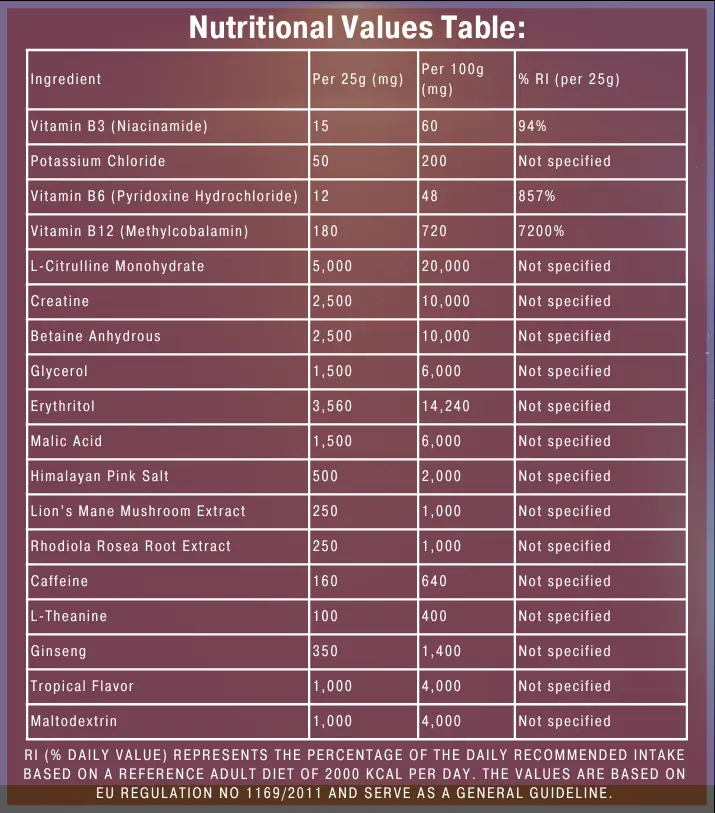
When comparing pre-workouts, it helps to focus on:
- caffeine and its dose
- whether beta-alanine is included
- performance ingredients like citrulline, creatine, and betaine
- label transparency
- whether the formula is built only for stimulation or also for training focus
This is far more practical than comparing ingredient count alone. A long formula is not automatically a good formula. For some people, a shorter and cleaner product is the better one.
With more modern products, the style of stimulation matters too. Not everyone wants 300+ mg of caffeine and a strong beta-alanine sensation. Some people want a calmer, more usable training profile.
What types of pre-workouts make sense today

Instead of obsessing over one “top product,” it is more useful to think in categories.
1. Traditional aggressive stimulant pre-workout
Who it may suit:
- people who want a very noticeable energy hit
- people who tolerate higher caffeine and beta-alanine well
Risk:
- more likely to cause jitters
- more likely to interfere with sleep
2. Balanced pre-workout
Who it may suit:
- most recreational to regular gym users
- people who want a reasonable balance of effect and usability
Risk:
- it may not feel “the strongest,” which some mistake for weakness
3. Focus-oriented or nootropic pre-workout
Who it may suit:
- people who care about training focus, not only raw stimulation
- people who want a smoother subjective feel
Risk:
- nootropics do not magically fix poor sleep or poor routine
4. Caffeine-free pre-workout
Who it may suit:
- evening training
- stimulant-sensitive users
- days when you already had enough caffeine from coffee
Risk:
- if you expect a classic stimulant feel, you may be disappointed
Red flags when comparing products
Be careful with:
- proprietary blends without exact doses
- comparing only the tub price
- “best on the market” claims with no real explanation
- blind worship of very high caffeine
- ignoring your own training time and tolerance
If an article is built on exact rankings, prices, and availability, it becomes outdated quickly. That is why a checklist is much more useful than a fixed top-five list.
Where Aftershock may fit
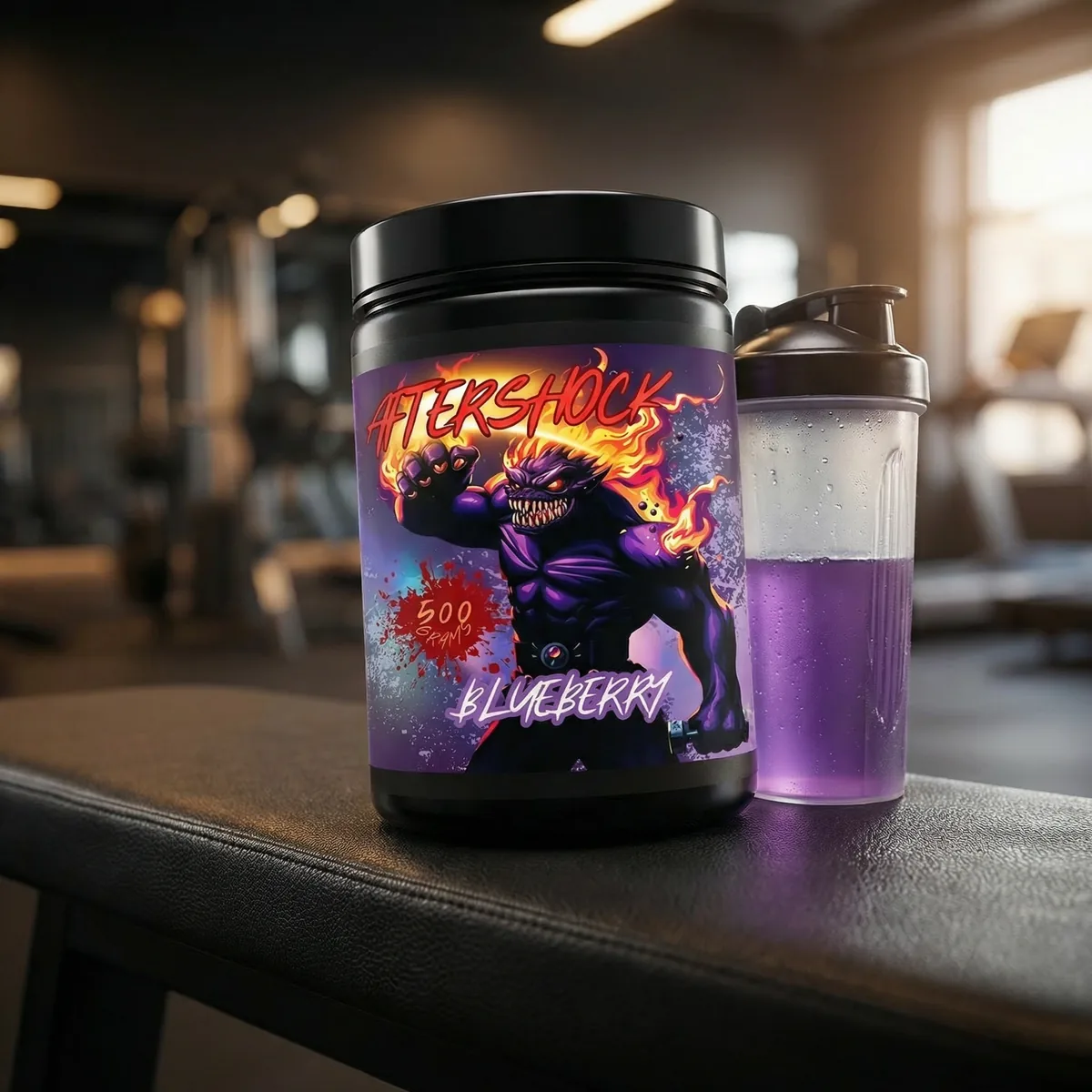
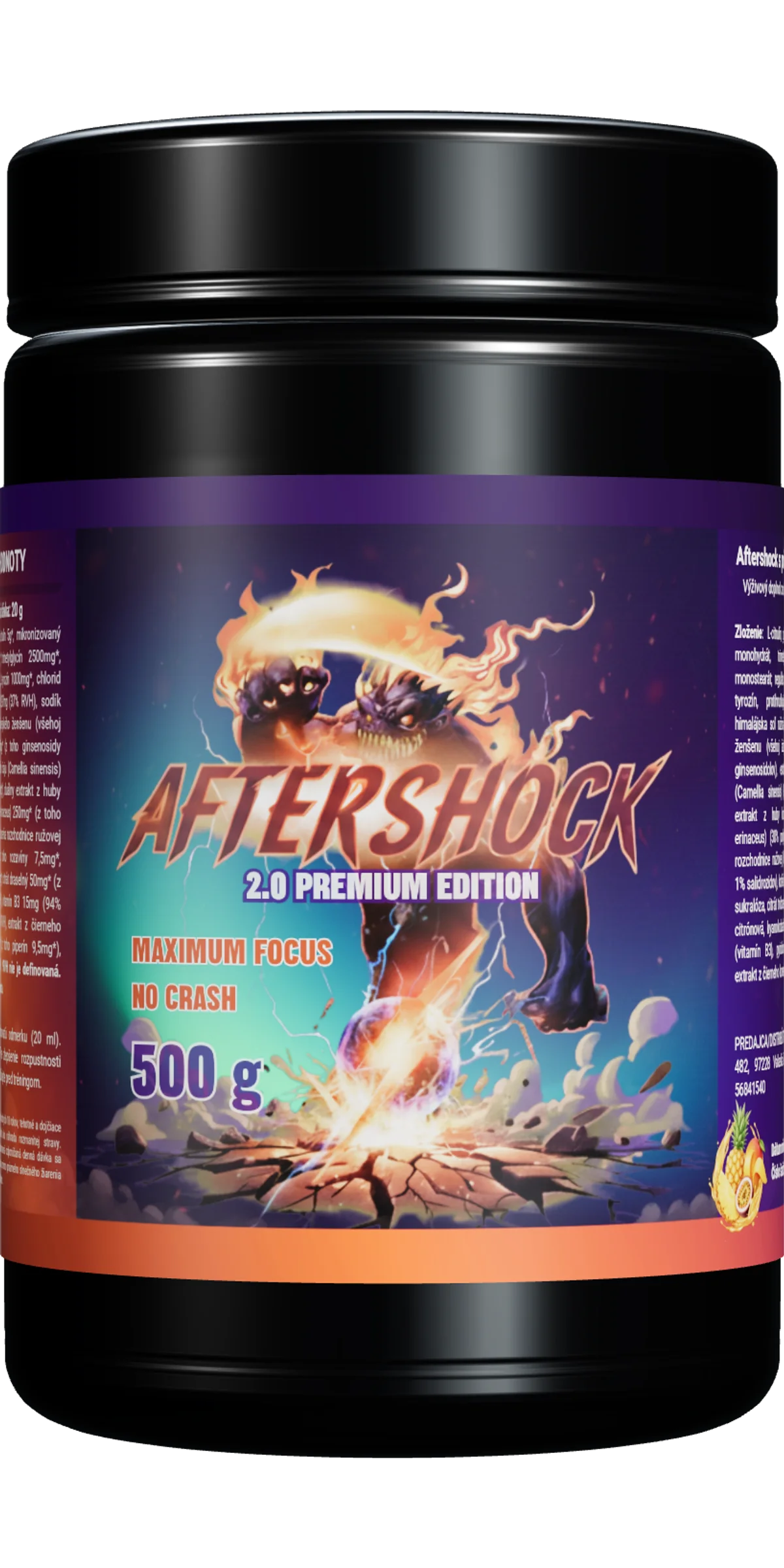
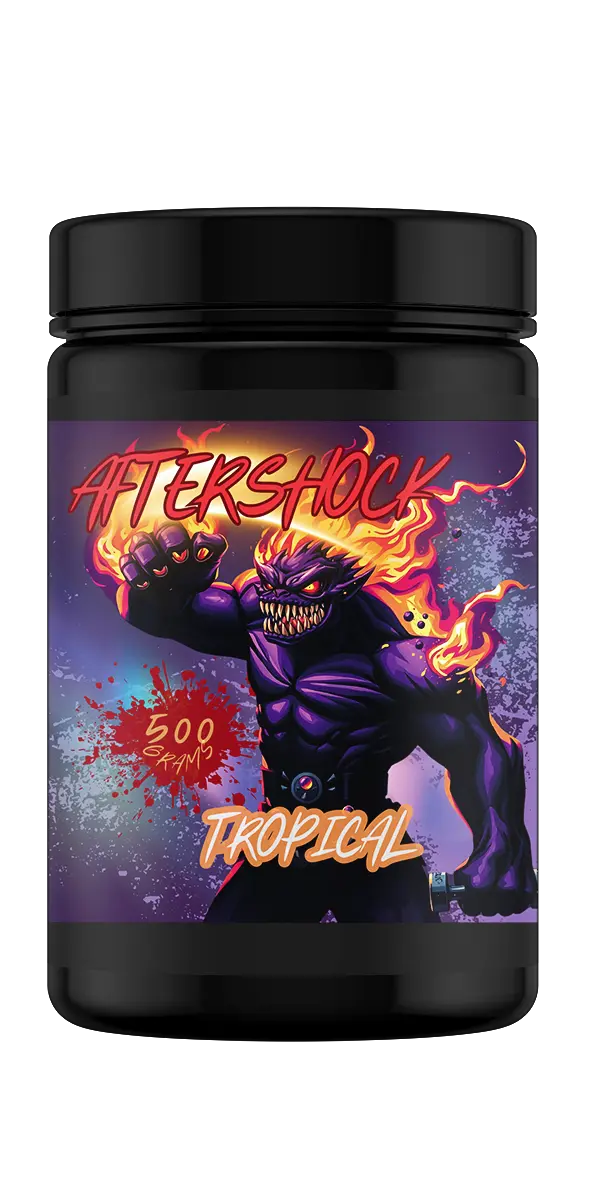
Aftershock V2 Premium may make the most sense if you do not want a classic aggressive stimulant product and care more about a balanced mix of performance and focus. It combines performance ingredients with a focus-oriented layer and uses a more moderate caffeine dose than some aggressive stimulant formulas.
That does not make it automatically the best choice for everyone. It simply makes it a better fit for people who:
- do not want beta-alanine tingling
- prefer a more transparent label
- want training focus, not only a harsher caffeine wall
If you only want the strongest stim possible or train late in the evening, a different type of product may fit better.
Frequently Asked Questions
What is the best pre-workout in 2026?
There is no honest answer without context. The best option is the one that fits your goal, tolerance, and training time.
Is a stronger pre-workout better?
Not automatically. For many people, usability, technique, and sleep matter more than extreme stimulation.
Does a nootropic pre-workout make sense?
For some people, yes, especially if they care about focus and do not want only a hard caffeine hit.
Is beta-alanine necessary?
No. It has its place, but it is not a mandatory part of every good pre-workout.
How should I compare two products?
Look at caffeine, performance ingredients, label transparency, beta-alanine, and whether the overall formula style fits you.
Related Articles
Try Aftershock and experience the power of nootropics.
Order Aftershock