
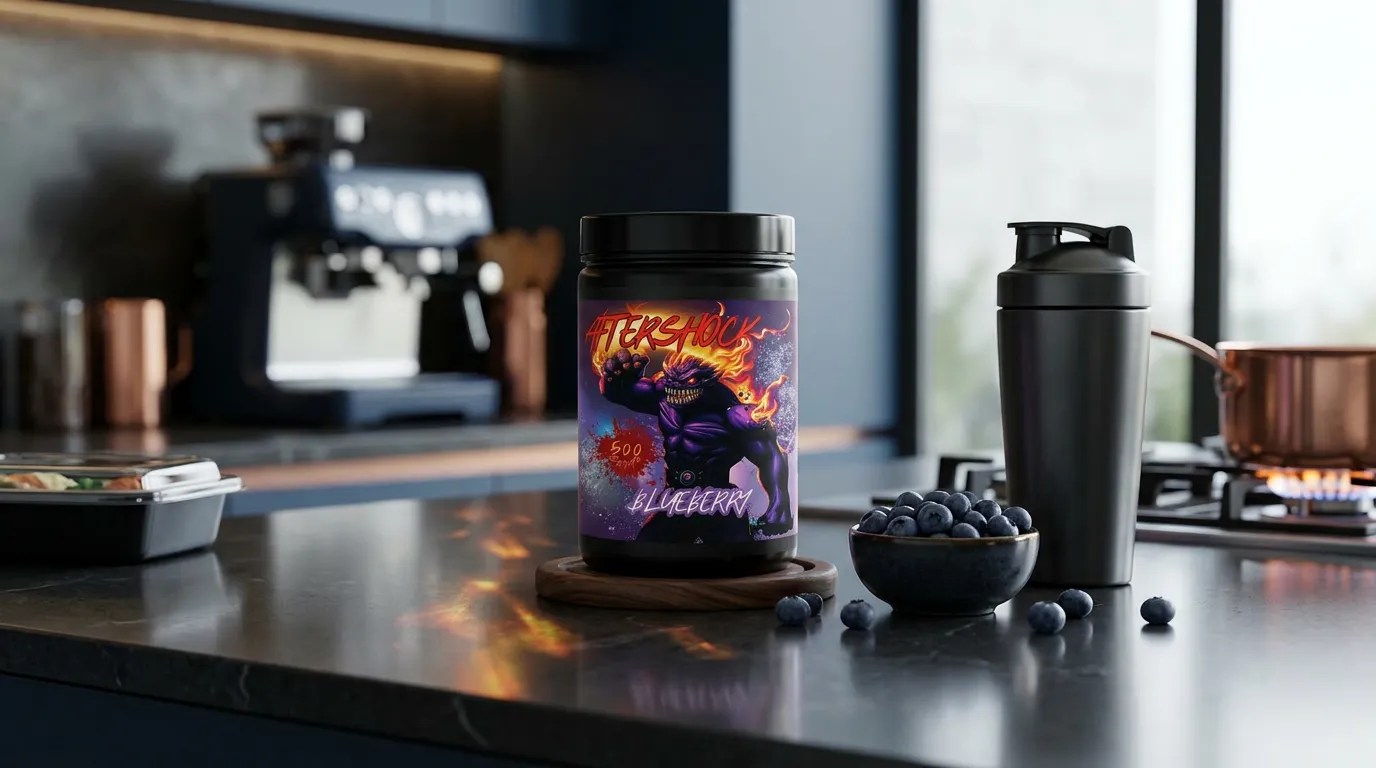
What Helps with Performance and Recovery for Athletes?
Performance increases fastest with a well-set load and a consistent routine.
1) Training: Progress without Overload
The most common mistake is too high intensity every training session. Periodization works better: most sessions at controlled difficulty, a smaller part at higher intensity, plus regular deloads.
-
Plan the microcycle for 7-10 days.
-
Monitor performance, fatigue, and sleep quality.
-
If performance drops for 2 consecutive training sessions, reduce volume.
For mental preparation before performance, check out How to Increase Focus: 10 Steps for Higher Performance.
2) Recovery: Sleep, Stress, Hydration
According to CDC (2022), sufficient sleep was reported by 69.9% of adults, meaning approximately 30.1% slept less than the recommended 7 hours. In sports, this difference is often between stagnation and progress.
When it comes to hydration, monitor consistent intake throughout the day, not just "catching up" after training. Evening recovery is also supported by reasonable restriction of stimulation.
If you're addressing your evening routine, check Magnesium for sleep: what the studies show and what they do not.
Hydration and electrolytes directly affect performance and concentration.
3) Nutrition: Macros, Micros, and Timing
Without sufficient energy, the body cannot adapt even to quality training. The foundation is proteins, carbohydrates according to training volume, and micronutrients.

Regarding magnesium, NIH ODS provides approximate daily doses for adults: men 400-420 mg, women 310-320 mg.
You can find practical basics for supplement selection in the article Supplements for Athletes: What to Know Before Choosing.
4) Evidence-Based Supplements: What Makes Sense
Creatine monohydrate has long been proven for strength and repeated intense efforts. You can find detailed procedures here: Creatine Dosage: How Many Grams Per Day, When and Whether to Load.
Caffeine has the most stable effect at a dose of 3-6 mg/kg according to ISSN Position Stand (2021); very high doses (around 9 mg/kg) increase the risk of side effects. The safety framework is also provided by FDA.
Beta-alanine is primarily used during high-intensity intervals: Beta-Alanine: Effects, Dosage, and the Truth About Tingling.
Adaptogens and cognition: for context, see Lion's Mane Mushroom: Benefits, Dosing, and a More Realistic Guide.
“Only a few supplements (e.g., caffeine, creatine, beta-alanine) have consistently good evidence for performance.” IOC consensus on supplements in sports (2018)
5) Practical Stack by Goal
-
Before training: caffeine + focus routine, according to tolerance.
-
During the week: creatine daily, not just on training days.
-
Evening: sleep hygiene + magnesium if dietary intake is low.
You can find a comparison of pre-workouts in the test Best Pre-Workout 2026: 7 Formulas Tested by Ingredients and Dosage.
Evolved Products for Performance and Daily Routine
Transparency and evaluation methodology can be found in the editorial policy, more about the brand on About Evolved, and answers to frequently asked questions on FAQ Evolved.
Recommended Internal Reading (Evolved)
-
Lion's Mane Mushroom: Benefits, Dosing, and a More Realistic Guide
-
Magnesium for sleep: what the studies show and what they do not
-
Creatine Dosage: How Many Grams Per Day, When and Whether to Load
FAQ
When is the best time to take creatine for performance and recovery?
The most important thing is daily consistency. Take it with food or after training to maintain a consistent habit.
How much caffeine before training is still reasonable?
The most common effective range is 3-6 mg/kg (ISSN, 2021), but start lower and test tolerance outside of competitions. If you suffer from poor sleep, reduce the dose or move training earlier.
Does magnesium matter even if I already take a pre-workout?
Yes, but it addresses a different area. Magnesium contributes to normal muscle and nervous system function and to the reduction of tiredness and fatigue. It is not an acute "boost" like caffeine.
What helps with performance and recovery for athletes the most when time is limited?
Priority is: 1) 7+ hours of sleep, 2) quality food with enough protein and carbohydrates, 3) consistent training plan, 4) only then supplements according to goals.
Try Aftershock and experience the power of nootropics.
Order Aftershock