

Which sports nutrition supplements best support performance and recovery? Short answer: For most athletes, a consistent foundation works best: creatine, sufficient protein, sensibly dosed caffeine, and depending on the situation, beta-alanine or magnesium. However, training, sleep, and diet still have the greatest impact.
If you want to start systematically, first read Supplements for Athletes: What to Know Before Choosing and then continue with specific substances based on your goal.

What has the strongest evidence
| Supplement | Most common benefit | Practical dose | Usage note |
|---|---|---|---|
| Creatine monohydrate | Strength, performance in repeated intense bouts | 3–5 g daily | Works through long-term saturation, not an "instant boost" |
| Protein | Recovery and maintenance of muscle mass | Based on daily protein goal | Total daily intake is key |
| Caffeine | Alertness, lower perception of effort | Individual based on tolerance | Do not test for the first time on an important day |
| Beta-alanine | Supporting performance during high-intensity exercise | Divided daily doses | More in the article below |
| Magnesium | Sleep, neuromuscular function | Based on form and tolerance | Especially if dietary intake is low |
Data worth knowing
According to NIH ODS, the recommended daily intake of magnesium for adult men is 400–420 mg and for women 310–320 mg (depending on age category). This is a practical reference point when evaluating both diet and supplements.
In the ISSN position (2017), a protocol for creatine is mentioned with an initial phase of 0.3 g/kg/day for 5–7 days, followed by maintenance of 3–5 g/day. In common practice, a stable daily dosage without a "loading" phase is sufficient for most people.
“Creatine monohydrate is the most effective ergogenic nutritional supplement currently available to athletes.”
Source: International Society of Sports Nutrition (ISSN)
Practical links to Evolved content
To choose based on your goal, see: Creatine Monohydrate: Complete Dosage Guide, Beta-Alanine: Effects, Dosage, and Timing and Magnesium for Sleep: Which Form Works Best?.
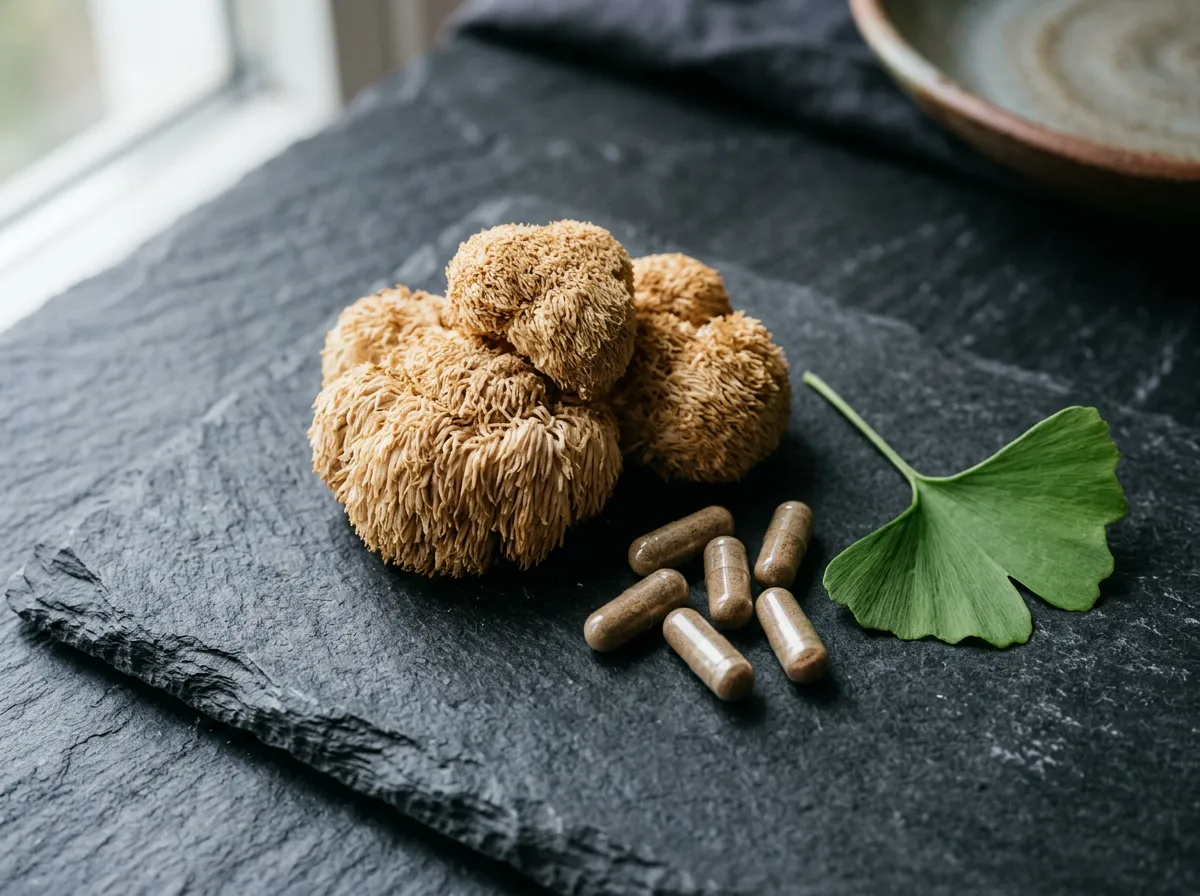
If you are also addressing mental performance and focus during training, follow up with How to Increase Focus: 10 Steps for Higher Performance and Lion's Mane Effects: What Studies Show in Practice.
A comparison of pre-workouts can be found in Best Pre-workout 2026 and Best Pre-workout 2026: Big Test and Comparison.
%3C/text%3E%3Crect%20x='80'%20y='170'%20width='480'%20height='330'%20rx='16'%20fill='%23fed7aa'/%3E%3Crect%20x='640'%20y='170'%20width='480'%20height='330'%20rx='16'%20fill='%23ffedd5'/%3E%3Ctext%20x='320'%20y='220'%20font-size='32'%20text-anchor='middle'%20font-family='Arial'%20fill='%237c2d12'%3EAftershock%20V1%3C/text%3E%3Ctext%20x='880'%20y='220'%20font-size='32'%20text-anchor='middle'%20font-family='Arial'%20fill='%237c2d12'%3EAftershock%20V2%3C/text%3E%3Ctext%20x='320'%20y='290'%20font-size='30'%20text-anchor='middle'%20font-family='Arial'%20fill='%231f2937'%3E160%20mg%20kofe%C3%ADnu%3C/text%3E%3Ctext%20x='320'%20y='350'%20font-size='30'%20text-anchor='middle'%20font-family='Arial'%20fill='%231f2937'%3E100%20mg%20L-thean%C3%ADnu%3C/text%3E%3Ctext%20x='320'%20y='410'%20font-size='30'%20text-anchor='middle'%20font-family='Arial'%20fill='%231f2937'%3E5%20g%20L-citrul%C3%ADnu%3C/text%3E%3Ctext%20x='880'%20y='290'%20font-size='30'%20text-anchor='middle'%20font-family='Arial'%20fill='%231f2937'%3E160%20mg%20kofe%C3%ADnu%3C/text%3E%3Ctext%20x='880'%20y='350'%20font-size='30'%20text-anchor='middle'%20font-family='Arial'%20fill='%231f2937'%3E400%20mg%20L-thean%C3%ADnu%3C/text%3E%3Ctext%20x='880'%20y='410'%20font-size='30'%20text-anchor='middle'%20font-family='Arial'%20fill='%231f2937'%3E5%20g%20L-citrul%C3%ADnu%3C/text%3E%3C/svg%3E)
Products and their place in the plan
Aftershock Original (V1) is the choice for people who want a classic pre-workout profile. Aftershock V2 Premium (V2) adds significantly higher L-theanine for a "smoother" subjective effect. Chilliček fits into the evening routine and recovery.
Important: combine supplements based on your goal, not the number of products. Fewer items with good discipline often work better than a "stack" without a routine.
Common mistakes that hinder results
-
Too many new things at once; then you don't know what actually works.
-
Focusing on minute timing before sleep, diet, and training volume.
-
Overlapping caffeine from coffee, energy drinks, and pre-workouts on the same day.
-
Unrealistic expectations from nootropics without a stable daily routine.
%3C/text%3E%3Ctext%20x='130'%20y='290'%3E%E2%9C%93%20Bielkoviny%20v%20ka%C5%BEdom%20hlavnom%20jedle%3C/text%3E%3Ctext%20x='130'%20y='350'%3E%E2%9C%93%20Kofe%C3%ADn%20len%20v%20%C4%8Dase%2C%20ke%C4%8F%20ho%20vie%C5%A1%20vyu%C5%BEi%C5%A5%3C/text%3E%3Ctext%20x='130'%20y='410'%3E%E2%9C%93%207%E2%80%938%20hod%C3%ADn%20sp%C3%A1nku%20vo%20v%C3%A4%C4%8D%C5%A1ine%20d%C5%88%C3%AD%3C/text%3E%3Ctext%20x='130'%20y='470'%3E%E2%9C%93%20Kr%C3%A1tky%20log%3A%20v%C3%BDkon%2C%20%C3%BAnava%2C%20tr%C3%A1venie%3C/text%3E%3C/g%3E%3C/svg%3E)
FAQ
Does it make sense to take creatine even on non-training days?
Yes. Creatine works primarily through long-term saturation of muscle stores, so regularity is more important than whether it is a training day.
When to include protein for better recovery?
Total daily protein intake is most important. It is practical to supplement a portion of protein after training, but there is no need to fixate on exact minutes.
Is the difference between pre-workout V1 and V2 practically noticeable?
Often yes, especially due to the difference in L-theanine (100 mg vs 400 mg). However, the reaction is individual, so it is worth testing tolerance on lower-pressure training days.
How long to test a new supplement for the result to be relevant?
Ideally at least 2–4 weeks with an unchanged routine. Track performance, sleep, fatigue, and digestion in a short log.
Where can I find transparent information about quality and editorial rules?
On the Evolved pages: About, Editorial Policy, and FAQ.
Sources
Try Aftershock and experience the power of nootropics.
Order Aftershock