Skip to content
Back to blogEducation

Complete Beginner's Guide to Nootropics: From History to Practical Application

Ing. Peter Novak, MSc. - Cognitive Psychology and Supplementation · January 12, 2025 · 18 min read

Complete Beginner's Guide to Nootropics: From History to Practical Application

Nootropics improve memory, focus, and mental performance. Some were used by Vikings over a thousand years ago. Others were synthesized in laboratories in the 1960s. This guide covers everything you need to know: from classification and mechanisms of action to practical dosing protocols and safety categories.

Etymology and Definition of Nootropics

Origin of the Term

The word "nootropic" was created in 1972 by Romanian psychologist and chemist Dr. Corneliu E. Giurgea, combining Greek words:

  • "Nous" (νοῦς) = mind, intellect
  • "Trepein" (τρέπειν) = to turn, change direction

Literally meaning "acting on the mind" or "turning the mind."

Giurgea's Criteria

Dr. Giurgea established six strict criteria that a substance must meet to be classified as a nootropic:

  1. Cognitive enhancement: Improves learning and memory
  2. Neuroprotection: Protects brain from damage
  3. Facilitation: Facilitates information transfer between hemispheres
  4. Minimal toxicity: Safe for long-term use
  5. Selectivity: Doesn't affect other bodily functions
  6. Neuro-stimulation: Doesn't cause stimulatory effects

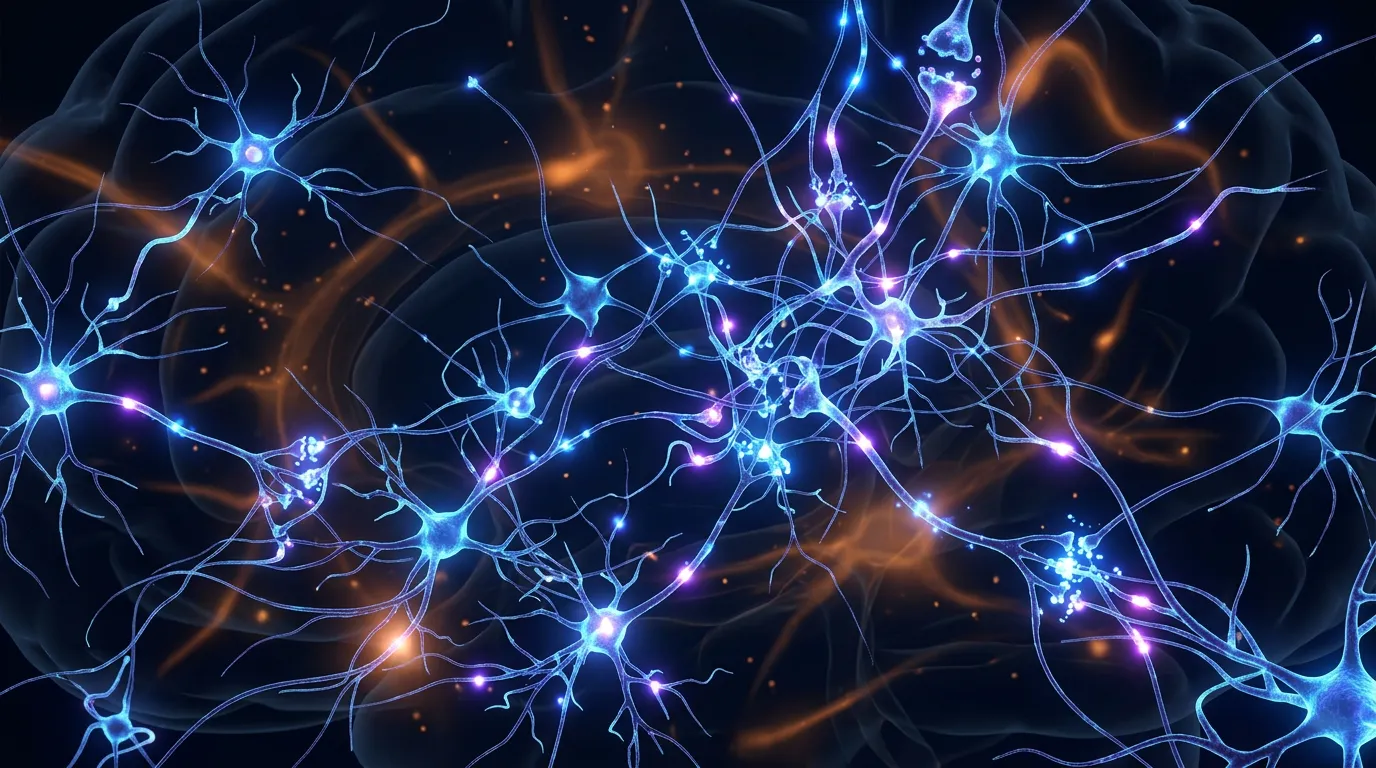
Visualization of neural pathways and synaptic connections in the human brain

History and Evolution of Nootropic Science

Prehistoric Beginnings (before 1960)

Ancient civilizations used natural substances to enhance mental abilities:

Ancient Civilizations:

  • Ginkgo biloba (China, 3000 years)
  • Bacopa monnieri (Ayurveda, 2000 years)
  • Rhodiola rosea (Vikings, 1000 years)

Traditional Medicine:

  • Ginseng - "root of immortality" in Asian medicine
  • Yerba mate - "drink of the gods" among Incas
  • Kanna (Sceletium tortuosum) - African hunters

Modern Era (1960-1990)

Breakthrough Discovery of Piracetam (1964):

Dr. Giurgea at UCB Pharma laboratories synthesized the first true nootropic. Piracetam showed:

  • 15-20% improvement in memory tests
  • Neuroprotective effects during hypoxia
  • Minimal side effects

Development of Racetam Family:

  • Oxiracetam (1977) - 5x more potent than piracetam
  • Aniracetam (1979) - anxiolytic properties
  • Pramiracetam (1983) - most potent racetam

Digital Revolution (1990-2010)

The rise of internet and high-tech economy created need for:

  • Long-term focus
  • Complex problem solving
  • Continuous learning

Key Discoveries:

  • Modafinil (1998) - "limitless pill" reality
  • Adrafinil (2000) - first freely available eugeroic
  • Noopept (2005) - Russian "super-racetam"

Current Era: Biohacking and Personalization (2010-present)

Modern nootropic community characterized by:

Silicon Valley Phenomenon:

  • Microdosing psychedelics
  • Personalized stacks
  • Continuous monitoring of cognitive functions

Scientific Advances:

  • Neuroplasticity research
  • Epigenetics and cognition
  • Microbiome-brain axis

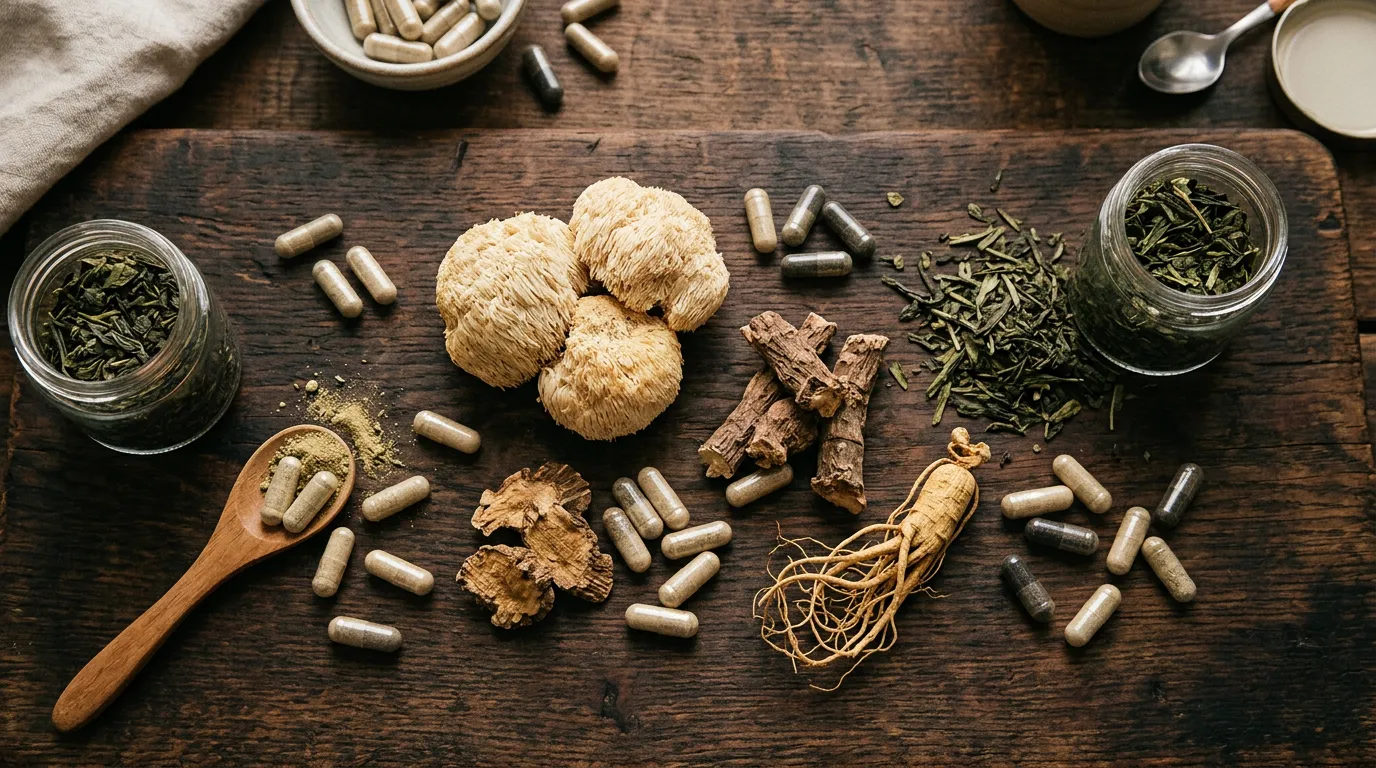
Natural nootropic supplements and adaptogens on a dark wooden surface

Classification of Nootropics: Comprehensive Overview

1. Racetams and Derivatives

Mechanism of Action:

  • AMPA receptor potentiation
  • Cholinergic system enhancement
  • Neuroplasticity stimulation

Main Representatives:

  • Piracetam: "Grandfather" nootropic (800-2400mg/day)
  • Oxiracetam: Enhanced potency (750-1500mg/day)
  • Aniracetam: Mood enhancing (750-1500mg/day)
  • Phenylpiracetam: Physical + mental performance (100-200mg/day)

2. Cholinergic Nootropics

Acetylcholine and Cognition:

Acetylcholine is primary neurotransmitter for:

  • Attention and vigilance
  • Short-term memory
  • Learning consolidation

Key Substances:

  • Alpha-GPC: 40% bioavailable choline (300-600mg)
  • CDP-Choline: Uridine + choline combination (250-500mg)
  • Huperzine A: Acetylcholinesterase inhibitor (50-200mcg)

3. Adaptogens: Stress Resilience

Definition and Mechanisms:

Adaptogens are plant substances that:

  • Normalize physiological functions
  • Increase stress resistance
  • Support homeostasis

Primary Adaptogens in Cognitive Support:

Ashwagandha (Withania somnifera):

  • Cortisol reduction by 27.9%
  • Anxiety reduction by 44%
  • Testosterone increase by 17%

Rhodiola rosea:

  • Mental fatigue reduction by 20%
  • Work performance improvement by 20%
  • Depression symptoms reduction

Panax ginseng:

  • Working memory enhancement
  • Attention improvement
  • Mood stabilization

4. Natural Nootropics and Plant Extracts

Lion's Mane (Hericium erinaceus):

Bioactive Compounds:

  • Hericenones: NGF stimulation
  • Erinacines: Blood-brain barrier crossing
  • Beta-glucans: Neuroinflammation reduction

Clinical Studies:

  • 16-week study with cognitively impaired seniors: 30% improvement in cognitive score
  • Animal studies: 300% increase NGF expression
  • In vitro: Promotion of neurite outgrowth

For a deeper look at Lion's Mane and its applications in athletic performance, read Lion's Mane Mushroom: Brain Benefits and Athletic Applications.

Bacopa monnieri:

Mechanism:

  • Bacosides A&B: Active compounds
  • Serotonin, GABA modulation
  • Antioxidant activity in brain

Clinical Evidence:

  • 12-week double-blind study: 17% improvement in word recall
  • Meta-analysis of 9 studies: Significant memory enhancement
  • Long-term use: Neuroplasticity enhancement

Ginkgo biloba:

Mechanisms of Action:

  • Cerebral blood flow enhancement by 15-20%
  • Antioxidant activity (flavonoids)
  • Platelet aggregation inhibition

Clinical Applications:

  • Mild cognitive impairment: 240mg/day
  • Attention enhancement: 120-160mg/day
  • Memory support: Long-term use needed

5. Amino Acids and Their Derivatives

L-Theanine:

Pharmacology:

  • Structural similarity to glutamate
  • GABA synthesis enhancement
  • Alpha waves generation (8-13 Hz)

Clinical Evidence:

  • EEG studies: 40min peak alpha activity
  • Caffeine synergy: 1:1 ratio optimal
  • Anxiety reduction: Without sedation

The L-Theanine + caffeine combination is one of the most studied nootropic pairs. Read more about caffeine's role in athletic performance in Caffeine and Sport: How Much, When, and Why.

Tyrosine:

Biochemical Pathways:

  • Precursor to dopamine, norepinephrine
  • Stress resilience enhancement
  • Cold/altitude performance protection

Practical Use:

  • Acute stress: 500-2000mg
  • Sleep deprivation: 150mg/kg bodyweight
  • Physical stress: 1-2 hours before exposure

Neurobiological Mechanisms of Action

1. Neurotransmitter Systems

Dopamine System:

Anatomical Pathways:

  • Mesolimbic: Motivation, reward
  • Mesocortical: Executive function
  • Nigrostriatal: Motor control

Nootropic Modulations:

  • Tyrosine: Direct precursor supplementation
  • Mucuna pruriens: L-DOPA source
  • Sulbutiamine: D1 receptor upregulation

Cholinergic System:

Cognitive Functions:

  • Attention networks: Frontoparietal areas
  • Memory encoding: Hippocampal formation
  • Executive control: Prefrontal cortex

GABAergic System:

Anxiolytic Effects:

  • Alpha waves: Relaxed alertness
  • Stress buffering: HPA axis modulation
  • Sleep quality: Deep sleep enhancement

2. Neuroplasticity and Long-term Changes

BDNF (Brain-Derived Neurotrophic Factor):

Functions:

  • Neuron survival: Neuroprotection
  • Synaptic plasticity: LTP/LTD modulation
  • Neurogenesis: Adult hippocampal growth

Nootropic Enhancers:

  • Lion's Mane: Direct NGF stimulation
  • Curcumin: BDNF expression increase
  • Exercise: Synergistic effect with nootropics

Mitochondrial Optimization:

Cellular Energy:

  • ATP synthesis: Enhanced efficiency
  • Oxidative stress: Reduction
  • Calcium homeostasis: Improved regulation

Key Substances:

  • PQQ: Mitochondrial biogenesis
  • CoQ10: Electron transport chain
  • R-ALA: Mitochondrial antioxidant

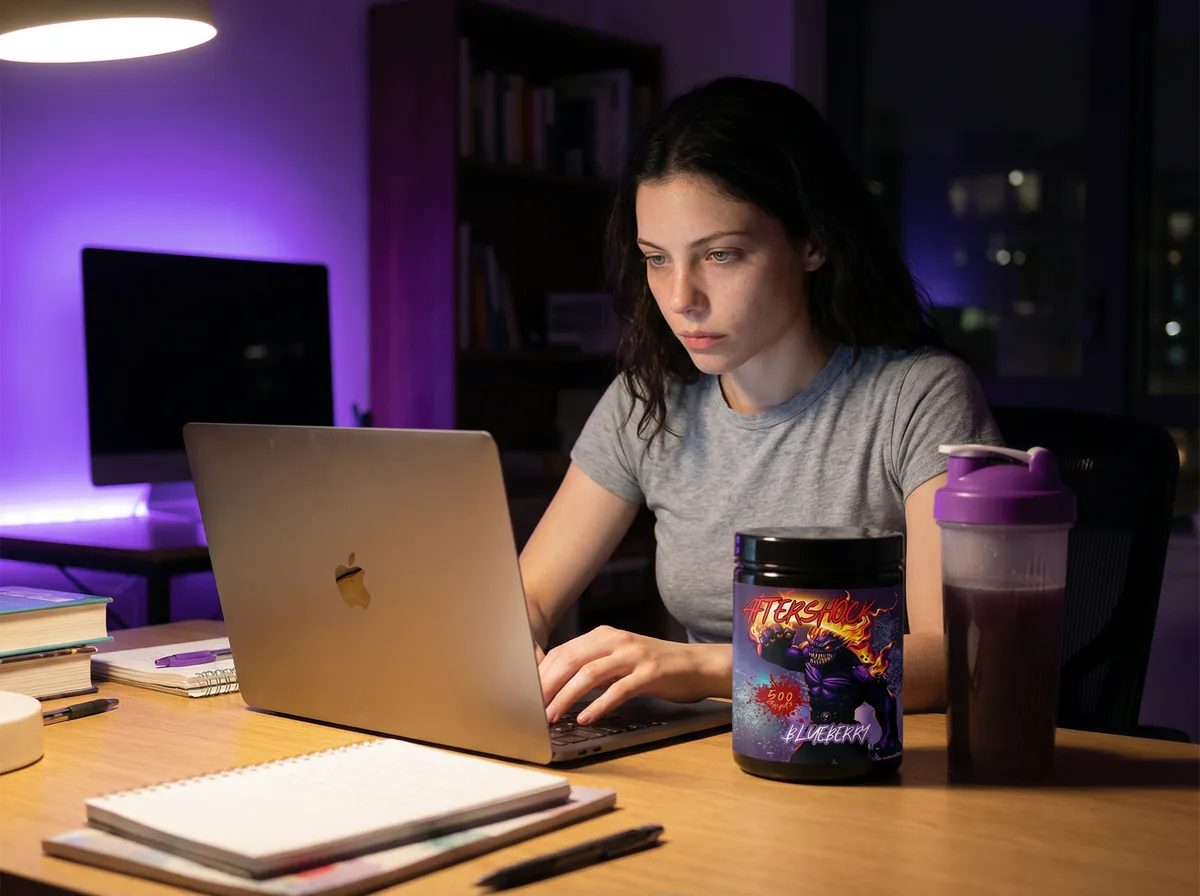
Preparing a nootropic preworkout

Practical Protocols and Dosing

Beginner Stack - "Cognitive Foundation":

Morning Stack (7:00-8:00):

  • L-Theanine: 200mg
  • Caffeine: 100-200mg (coffee/tea)
  • B-Complex: High-potency formula
  • Omega-3: 1-2g EPA/DHA

Afternoon Support (14:00-15:00):

  • Lion's Mane: 500mg
  • Rhodiola: 300mg (3% rosavin)
  • Magnesium: 200mg elemental

For practical guidance on using nootropics specifically in athletic training, see Nootropics for Athletes: What They Are and How They Work.

Advanced Athletic Stack - "Performance Optimization":

Pre-Workout (30-45min before):

  • L-Theanine: 200mg
  • Caffeine: 200mg
  • Tyrosine: 500mg
  • Alpha-GPC: 300mg

Post-Workout Recovery:

  • Ashwagandha: 300mg (5% withanolides)
  • Magnesium glycinate: 400mg
  • Zinc: 15mg elemental
  • Curcumin: 500mg (with piperine)

Study/Work Stack - "Cognitive Endurance":

Deep Work Sessions:

  • Modafinil: 100mg (with prescription)
  • L-Theanine: 400mg
  • Bacopa monnieri: 300mg (50% bacosides)
  • Phosphatidylserine: 100mg

Safety and Side Effects

Risk Categorization

Category A - Minimal Risk:

  • L-Theanine: GRAS status
  • Bacopa monnieri: Millennial use
  • Lion's Mane: Food-grade safety
  • Magnesium: Essential mineral

Category B - Low Risk:

  • Rhodiola rosea: Occasional GI upset
  • Ashwagandha: Autoimmune conditions caution
  • Ginkgo biloba: Blood thinning effects

Category C - Medium Risk:

  • Racetams: Headaches, irritability
  • Modafinil: Prescription required
  • Huperzine A: Cholinergic overload possible

Drug Interactions

Anticoagulants (Warfarin, Aspirin):

Interacting Nootropics:

  • Ginkgo biloba: Increased bleeding risk
  • Curcumin: Antiplatelet effects
  • Omega-3: High doses (>3g)

Antidepressants (SSRI, SNRI):

Caution with:

  • 5-HTP: Serotonin syndrome risk
  • SAM-e: Manic episode trigger
  • St. John's Wort: CYP450 induction

Tolerance and Cycling Protocols

Racetams:

  • Use: 8 weeks ON
  • Break: 2-4 weeks OFF
  • Choline supplement: Throughout cycle

Adaptogens:

  • Continuous use: Possible
  • Preventive break: 1 week/3 months
  • Rotation: Different adaptogens

Combining with Lifestyle Factors

Sleep and Circadian Rhythms

Sleep Architecture:

Nootropic Support:

  • Melatonin: 0.5-3mg before bed
  • Magnesium: 400mg evening (ideally bisglycinate, more in Why Magnesium Matters)
  • L-Theanine: 200mg for relaxation

Chronotype Optimization:

  • Morning types: Racetams morning
  • Evening types: Adaptogens morning
  • Shift workers: Modafinil protocols

Nutrition and Nootropics

Ketogenic Diet:

Synergistic Effects:

  • MCT oil: Immediate brain fuel
  • Exogenous ketones: Enhanced mental clarity
  • Electrolytes: Critical for function

Intermittent Fasting:

Cognitive Benefits:

  • BDNF increase: 200-400%
  • Autophagy: Neuronal cleanup
  • Insulin sensitivity: Brain glucose utilization

Training and physical activity as a synergistic complement to nootropics

Physical Activity

Aerobic Exercise:

  • BDNF boost: 2-3x increase
  • Neurogenesis: Hippocampal enhancement
  • Mood improvement: Endorphin release

Resistance Training:

  • IGF-1 increase: Growth factor stimulation
  • Cognitive flexibility: Executive function
  • Stress resilience: HPA axis adaptation

Measuring Cognitive Improvements

Objective Tests

Cambridge Brain Training:

  • Working memory: N-back test
  • Processing speed: Symbol coding
  • Attention: Continuous performance

Quantified Self Approaches:

  • Reaction time: Simple/complex protocols
  • Dual N-back: Working memory training
  • Stroop test: Cognitive inhibition

Subjective Assessment

Daily Cognitive Rating:

1-10 Scale:

  • Morning clarity: Post-awakening cognition
  • Focus endurance: Sustained attention
  • Memory recall: Information retrieval
  • Mood stability: Emotional regulation

Weekly Reviews:

  • Productivity metrics: Task completion
  • Stress levels: Perceived stress scale
  • Sleep quality: Subjective rating
  • Overall life satisfaction: Holistic assessment

Personalization and Precision Nootropics

Genetic Testing

COMT Val158Met Polymorphism:

  • Met/Met: Slow dopamine clearance → Lower stimulants
  • Val/Val: Fast clearance → Higher dopamine support
  • Val/Met: Balanced approach

ADORA2A Variations:

  • High sensitivity: Lower caffeine tolerance
  • Low sensitivity: Higher caffeine requirements

BDNF Val66Met:

  • Met carriers: Enhanced response to exercise + nootropics
  • Val/Val: Baseline higher neuroplasticity

Biomarker Monitoring

Salivary Cortisol:

  • Morning spike: Healthy awakening response
  • Evening decline: Proper circadian rhythm
  • Chronic elevation: Adaptogen indication

Inflammatory Markers:

  • CRP: Systemic inflammation
  • IL-6: Neuroinflammation marker
  • TNF-α: Cognitive interference

Future of Nootropic Science

Emerging Technologies

Transcranial Stimulation:

  • tDCS: Direct current stimulation
  • tACS: Alternating current protocols
  • Combination: With chemical nootropics

Neurofeedback Integration:

  • Real-time monitoring: EEG-based optimization
  • Personalized protocols: Individual brain patterns
  • Adaptive dosing: Dynamic adjustment

Next-generation Compounds

Synthetic Innovations:

  • Noopept: 1000x potency vs piracetam
  • Sunifiram: AMPA receptor enhancement
  • Unifiram: Cholinergic + glutamatergic

Natural Discoveries:

  • Polygala tenuifolia: Traditional Chinese nootropic
  • Centella asiatica: Ayurvedic brain tonic
  • Melissa officinalis: GABAergic relaxation

Practical Recommendations for Beginners

First Steps (Week 1-2):

Foundation Protocol:

  1. Morning: L-Theanine 200mg + Coffee
  2. Afternoon: Lion's Mane 500mg
  3. Evening: Magnesium 400mg
  4. Daily: Omega-3 1g, B-Complex

Gradual Optimization (Week 3-8):

Assessment Period:

  • Cognitive tracking: Daily ratings
  • Sleep monitoring: Quality metrics
  • Stress response: Subjective scales
  • Physical performance: Gym metrics

Stack Refinement:

  • Effective compounds: Increase slightly
  • Non-responders: Replace or eliminate
  • Side effects: Reduce or cycle off
  • New additions: One at a time

Long-term Strategy (Month 3+):

Advanced Protocols:

  • Cycling strategies: Prevent tolerance
  • Seasonal adjustments: Light/dark cycles
  • Stress adaptations: Acute vs chronic
  • Performance periodization: Training cycles

Conclusion: Cognitive Evolution in the Modern World

Nootropics represent a paradigmatic shift in our approach to mental performance. They are not "magic pills," but sophisticated tools that require an educated approach and responsible use.

Key Principles of Successful Nootropic Practice:

  1. Start simple: Basic complexes before advanced
  2. Track progress: Objective + subjective measurements
  3. Individualization: Genetics + lifestyle factors
  4. Safety first: Conservative dosing + cycling
  5. Holistic approach: Nutrition + exercise + sleep

Evolved Aftershock: Practical Application of Science

Aftershock V2 Premium contains 4 nootropic ingredients

Aftershock V2 Premium combines clinically dosed nootropics (L-Theanine 400mg, Lion's Mane 250mg, Rhodiola 250mg, Ginseng 350mg) with performance ingredients (citrulline 5g, creatine 2.5g, betaine 2.5g). No beta-alanine. No tingling. No crash.

If you're looking for help choosing a pre-workout based on formula quality, check out our complete guide to choosing a pre-workout or the 2026 best pre-workout comparison.

Try Aftershock and experience the power of nootropics.

Order Aftershock