
Nootropics for athletes sound niche at first, but in practice the topic is mostly about focus, decision-making, mental resilience, and how you behave under fatigue. Sport is not decided only by strength and conditioning. It is also decided by whether you can stay composed, technical, and attentive at the right moment. That is where this conversation actually matters.
Short answer
A nootropic is a substance that supports attention, memory or stress resilience. In sport it helps you hold technique and decision quality once fatigue arrives. It does not replace training, sleep or food, and on its own it adds no strength. The best documented pairing is caffeine with L-theanine, followed by lion's mane, rhodiola and ginseng.
Table of Contents
- Key Takeaways
- What nootropics mean in a sports context
- What makes the most sense for athletes
- Where marketing gets louder than the data
- How to think about nootropics practically
- Where Aftershock fits in
- Frequently Asked Questions
- Related Articles
Key Takeaways
| Takeaway | Detail |
|---|---|
| Sports nootropics are not about becoming superhuman | The practical topics are alertness, focus, decision-making, and handling mental load. |
| The most useful starting point is usually simple | Caffeine, or caffeine plus L-theanine, is often the most practical starting point for athletes. |
| Ingredients like lion's mane or rhodiola should be viewed realistically | They may be interesting, but they are not guaranteed performance upgrades. |
| Mental performance still depends on basics | Sleep, training structure, and stress management often matter more than another supplement. |
What nootropics mean in a sports context
In office settings, people often talk about nootropics in terms of productivity. In sport, the context is different. The relevant questions are:
- can you hold attention on technique
- can you react well under fatigue
- can you stay composed under pressure
- can you avoid mentally falling apart before the body does
That does not mean athletes need complicated “brain stacks.” It means they need to understand which compounds may support training focus and which ones are mostly marketing decoration.
What makes the most sense for athletes
For a healthy athlete, it is usually smarter to stay with a smaller number of compounds that have a clearer use case.
Caffeine
Still the most practical tool for alertness, willingness to push, and subjective energy. It is not exotic, but that is exactly why it remains so useful. The downside is obvious: poor dosing or late use can quickly damage sleep and the next training day with it.
Caffeine + L-theanine
For some people, this feels easier to use than caffeine alone. The effect is usually not dramatic. It is more often described as a smoother stimulant profile with less edge.
Rhodiola rosea
Often discussed in relation to stress, mental fatigue, and resilience under higher load. It is not a stimulant hit like caffeine. It makes more sense in periods of heavier strain than as a guaranteed acute performance enhancer.
Lion's mane
A very popular ingredient where it is especially important to separate interesting mechanisms from what can be said confidently in humans. For athletes, it may make sense as one supporting ingredient inside a broader focus-oriented formula, not as the main reason to expect a dramatic leap in performance.
Alpha-GPC and choline-focused ingredients
These compounds are commonly discussed in relation to attention and the neuromuscular side of performance. That still does not mean they automatically turn every athlete into a faster or more precise competitor. They make more sense as part of a targeted formula than as a magic shortcut.
In sport, it helps to separate practical alertness and focus from oversized claims about “optimizing the brain.” ISSN position stand on caffeine and performance
Where marketing gets louder than the data
Sports nootropics are full of claims that sound scientific but are often overstated.
The main red flags are:
- hard neurotransmitter claims presented as certainty
- promises of instantly better reaction time or decision-making
- products with long ingredient lists and unclear doses
- copy that frames nootropics as a replacement for sleep, training, or mental preparation
Athletes do not need another complicated story. They need to know whether a formula helps with focus and whether it also respects sleep, tolerance, and real training context.
How to think about nootropics practically
A simple filter works best:
- What exactly am I trying to improve?
- Is the real issue fatigue, or is it poor focus?
- Are sleep, stress, and training timing already under control?
- Can I actually track what a compound is doing for me?
For most people, it is smarter to start with one compound or one simple combination than to buy five different products at once.
Where Aftershock fits in
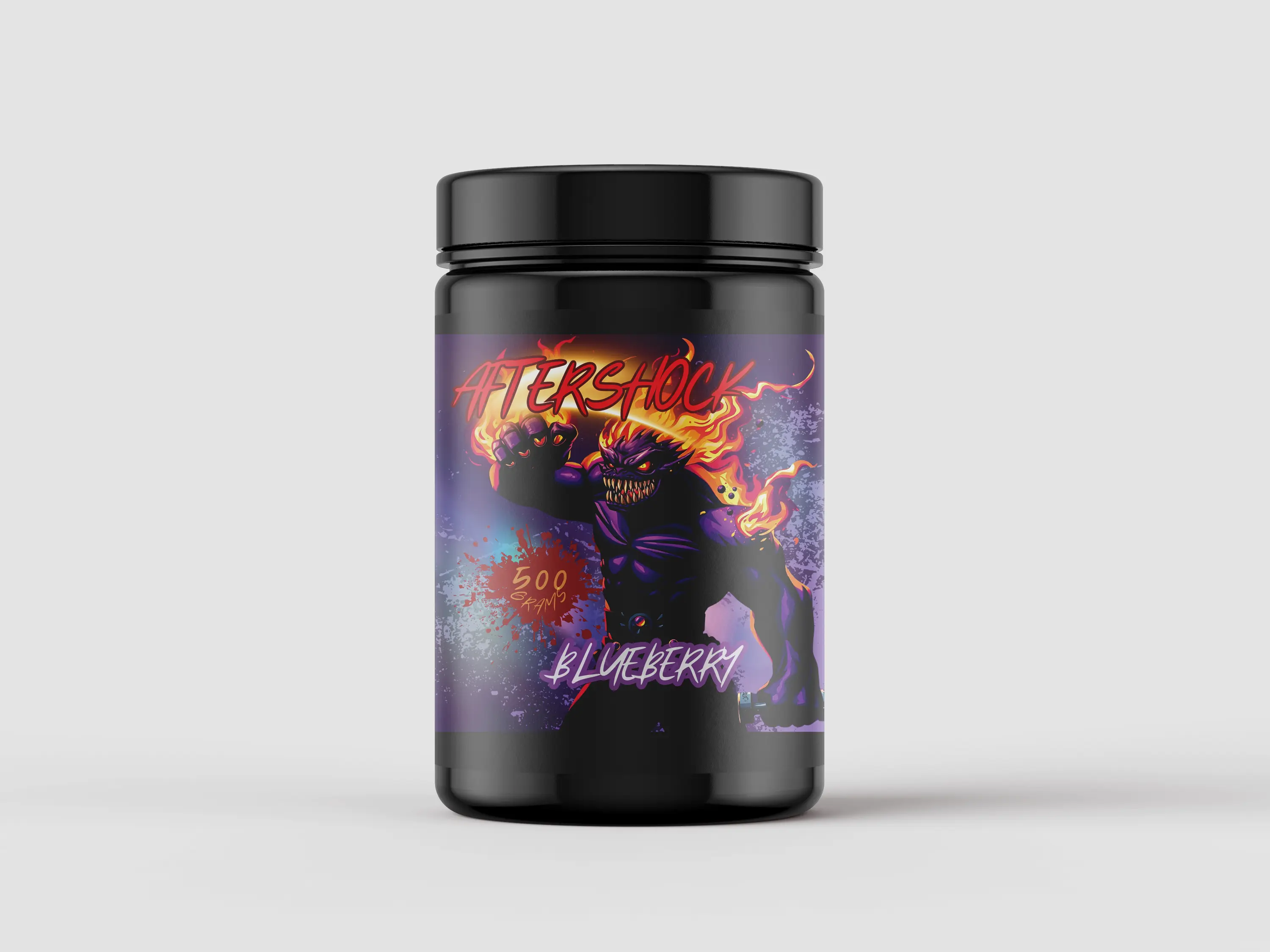
Aftershock V2 Premium is not a pure cognitive supplement. It is a pre-workout that combines performance ingredients with a focus-oriented layer. It makes the most sense if your context is training focus, not all-day work or study.
The formula includes caffeine, L-theanine, lion's mane, rhodiola, and ginseng, but also citrulline, creatine, and betaine. That matters because the product does not stand only on a “brain performance” story. It is better understood as a training-oriented formula for people who do not want only brute-force stimulation.
If you already know caffeine hurts your sleep or you train late in the evening, it is more honest to look at a caffeine-free pre-workout than to keep searching for a supposedly gentler stimulant.
Frequently Asked Questions
Are nootropics essential for athletes?
No. They are supplements, not the foundation of performance. Sleep, training quality, nutrition, and stress management come first.
Which nootropic makes the most sense for athletes?
For many people, it is still sensible caffeine use, or caffeine plus L-theanine.
Does lion's mane make sense in sport?
It may be interesting as a supporting ingredient, but you should not expect a dramatic or immediate sports performance effect.
Can nootropics improve decision-making under pressure?
There is no single compound that simply switches that on. At best, some supplements may support alertness, focus, or subjective comfort under load.
Are nootropics better than a classic pre-workout?
It is not a clean either-or. Many products combine performance and focus ingredients. The better question is what fits your goal, training time, and stimulant tolerance.
Related Articles
Related Articles
Try Aftershock and experience the power of nootropics.
Order Aftershock