
Creatine and recovery are more closely linked than many people think, but not in the way marketing often promises. Creatine is not a shortcut to replace sleep, food, and a reasonable training volume. It is rather a tool that helps restore phosphocreatine faster, maintain performance quality in subsequent sets, and improve readiness for the next workout. That is why it makes the most sense for strength training, HIIT, sprints, and sports with repeated intense intervals.
If you want a short answer: for most active people, a practical protocol is 3 to 5 g of creatine monohydrate daily. If you need faster saturation, 0.3 g/kg daily for 5 to 7 days is used, then switching to a maintenance dose. However, when it comes to recovery, it's important to understand the limits: creatine can help with performance return and sometimes reduce muscle soreness, but it won't solve a sleep deficit or post-workout undernutrition.
Creatine monohydrate remains the best-researched form of creatine for both performance and recovery.
Why Creatine Matters for Recovery
Creatine works primarily through the ATP-PCr energy system. In practice, this means it helps restore energy faster between short intense intervals. The result is not just more repetitions in a single set. It is also important that a smaller drop in performance at the end of a workout often means better technique, a higher quality training stimulus, and less movement breakdown under fatigue.
This is exactly where creatine and recovery connect. Recovery is not just about whether your legs hurt the next day. It's also about how quickly you return to usable strength, speed, and coordination. This is where creatine tends to be most useful.
„Creatine monohydrate is the most effective ergogenic nutritional supplement.“
Even the NIH Office of Dietary Supplements states that creatine supports ATP production and performance during short intense activity. If you want to clarify why monohydrate is still recommended, follow up with the article Creatine Monohydrate vs Other Forms: Differences.
| Area | What creatine can do | Where the limits are |
|---|---|---|
| Performance during training | Supports faster ATP recovery and maintaining performance in repeated intervals | Effect is weaker during long steady endurance performance |
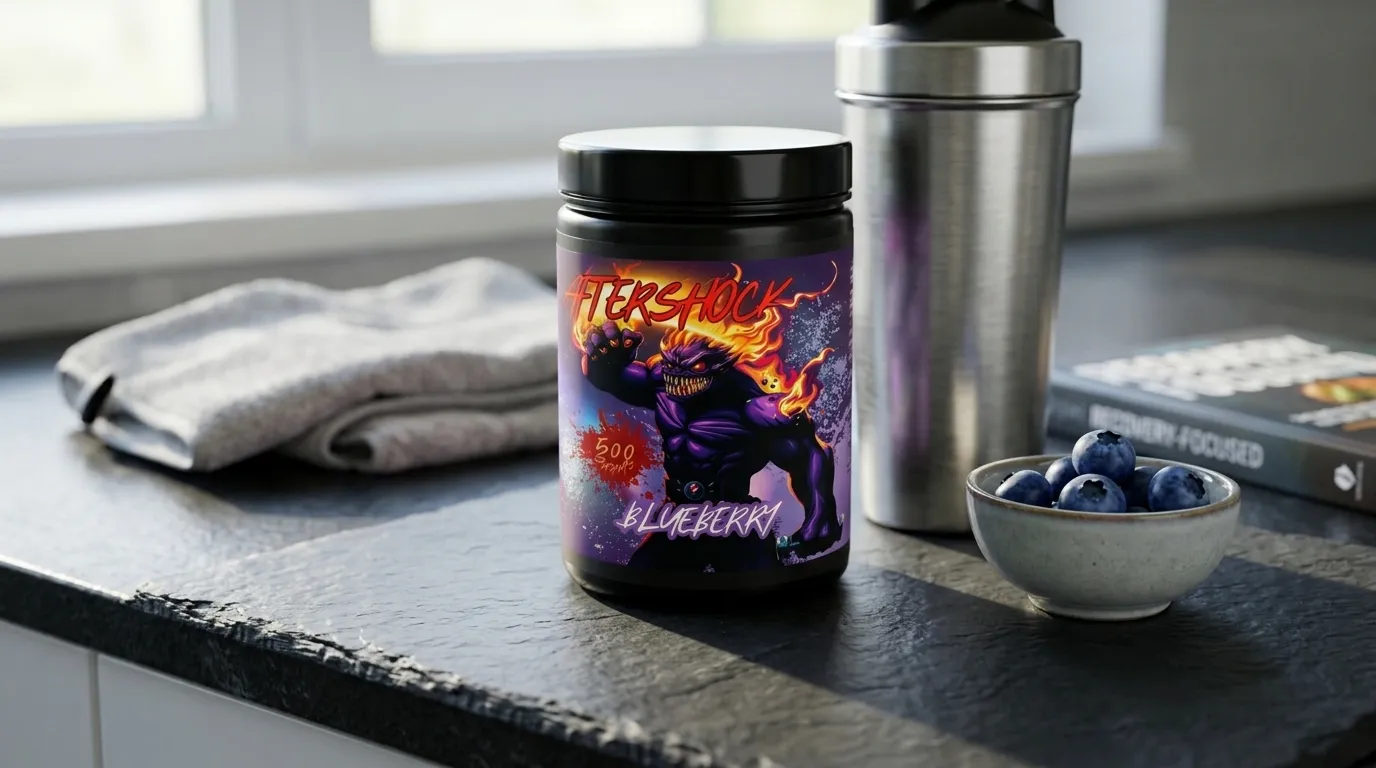
Try Aftershock and experience the power of nootropics.
Order Aftershock