

Pre-workouts often act as if performance were only about how many stimulants you can cram into a scoop. Reality is less dramatic. Dose, tolerance, timing, training type, and sleep all matter. This article breaks down what actually makes sense in a pre-workout formula.
Table of Contents
- Key Takeaways
- What counts as a stimulant in a pre-workout
- Caffeine: the main stimulant that can help or backfire
- L-theanine: useful when you want a smoother caffeine profile
- Citrulline is not a stimulant, but it still matters
- How to combine ingredients sensibly
- Most common pre-workout myths
- Where Aftershock may make sense
- Frequently Asked Questions
- Related Articles
Key Takeaways
| Takeaway | Detail |
|---|---|
| Caffeine is the main stimulant in most pre-workouts | It is well studied, but individual response varies a lot. |
| Higher dose does not automatically mean better performance | At some point you get more jitteriness and poorer sleep, not more output. |
| L-theanine may smooth out the feel of caffeine | It does not remove all downsides, but some users report a calmer subjective effect. |
| Citrulline is not a stimulant | Still, it can strongly affect training feel and work capacity. |
What counts as a stimulant in a pre-workout
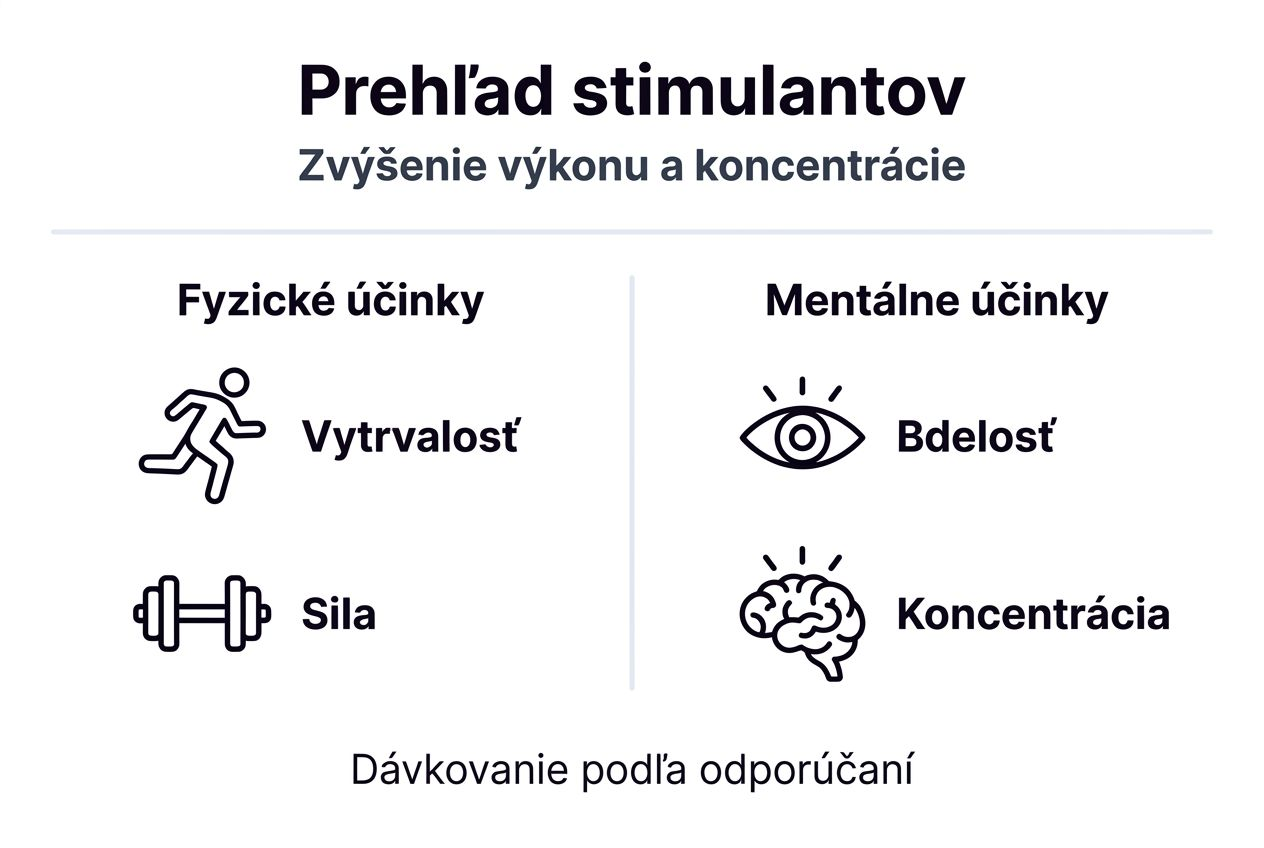
People often call every “felt” ingredient in a pre-workout a stimulant. More precisely, stimulants are compounds that directly increase alertness or central nervous system activity. In practice, caffeine is the main one.
That is why it helps to separate:
- ingredients that stimulate the nervous system
- ingredients that improve training through other mechanisms
Citrulline and creatine belong in the second group. They are not stimulants, but they still matter a lot in a strong formula.
Caffeine: the main stimulant that can help or backfire
Caffeine is one of the best researched ergogenic aids in sport. It can help alertness, perceived energy, and willingness to push intensity. But more caffeine does not automatically mean more performance.
A better approach is to start lower and watch your response:
- sensitive users often need less
- late training makes caffeine timing more important
- coffee, energy drinks, and pre-workout all count toward the same total
Caffeine can improve performance, but the effect depends on dose, timing, tolerance, and individual response. ISSN position stand
The common mistake is tracking only the pre-workout dose while ignoring the rest of the day.
L-theanine: useful when you want a smoother caffeine profile
L-theanine is usually discussed because it may smooth out the sharper feel of caffeine. It is not a hard stimulant by itself. Its value is mainly subjective: some users report less jitteriness and a calmer sense of focus when it is paired with caffeine.
That still does not make caffeine risk-free. If you overshoot the dose, you still overshoot the dose. But for some users, a combined formula feels easier to handle.
Reasonable expectations:
- smoother feel at the same caffeine intake
- less edge for sensitive users
- no miracle effect
Citrulline is not a stimulant, but it still matters
Citrulline often gets lumped in with stimulants even though it works differently. It does not create that “switched-on” central nervous system feel. Instead, it is usually discussed in the context of blood flow, training feel, and work capacity.
That is why judging a pre-workout only by caffeine is a mistake. Two products can feel very different in training even if the stimulant load is similar.
How to combine ingredients sensibly
The smartest approach is not to chase the “strongest stack.” It is to choose a formula that makes sense for your training context.
| Situation | More sensible approach |
|---|---|
| Morning or midday training | You can usually tolerate more stimulation |
| Evening training | Keep caffeine conservative or go stim-free |
| High caffeine sensitivity | Lower dose, or a formula with L-theanine |
| Multiple coffees during the day | Track total intake, not just the pre-workout scoop |
The biggest mistake is combining a strong pre-workout with more caffeine on top of it without thinking ahead. Short term it may feel stronger. Long term it usually hurts tolerance and sleep.
Most common pre-workout myths
Myth 1: More caffeine means a better workout
No. At some point you get more anxiety and tremor, not more performance.
Myth 2: Every pre-workout needs beta-alanine
No. Beta-alanine has its place, but it is not mandatory in every formula. For some users the tingling is neutral. For others it is distracting.
Myth 3: “Natural” stimulants are automatically safer
No. Dose and tolerance matter more than the marketing story around the source.
Myth 4: Pre-workout replaces sleep
It does not. It may temporarily raise alertness, but it does not restore actual recovery.
Where Aftershock may make sense
If you want a pre-workout without beta-alanine and with a more moderate caffeine profile, Aftershock V2 Premium can be a sensible option. The formula includes citrulline, creatine, betaine, L-theanine, lion's mane, rhodiola, ginseng, and caffeine.
That makes it different from formulas built mainly around raw stimulation. It is not automatically “the strongest option for everyone.” It makes more sense for users who want a focused training feel without the most aggressive stimulant profile on the shelf.
If you train late or do not want caffeine at all, it is still more honest to consider a stim-free pre-workout than to pretend a milder stimulant solves every scenario.
Frequently Asked Questions
What caffeine dose makes sense before training?
It depends on tolerance, body size, training time, and total daily intake. Starting lower and watching your response is usually smarter than jumping straight to the high end.
Is L-theanine useful in a pre-workout?
For some users, yes, especially if plain caffeine feels too sharp or jittery.
Is citrulline a stimulant?
No. It is a performance ingredient, but not a central nervous system stimulant.
Do I need a pre-workout before every session?
No. Many lower-intensity or technical sessions do not require one at all.
What is the most common pre-workout mistake?
Too much caffeine, poor tracking of total intake, and ignoring the effect on sleep.
Related Articles
Try Aftershock and experience the power of nootropics.
Order Aftershock