
Best Pre-Workout 2026: 7 Formulas Tested by Ingredients and Dosage
Evolved Team · March 16, 2026 · 10 min read

Searching for the “best pre-workout” sounds simple, but in practice it is the wrong question. The better question is: which pre-workout is best for your goal, training time, and stimulant tolerance? The market changes fast, formulas get updated, and exact prices or availability go stale almost immediately. That is why this article is built as a practical guide rather than a fragile ranking that falls apart a few weeks later.
Table of Contents
- Key Takeaways
- There is no best pre-workout without context
- What actually matters when comparing formulas
- What types of pre-workouts make sense today
- Red flags when comparing products
- Where Aftershock may fit
- Frequently Asked Questions
- Related Articles
Key Takeaways
| Takeaway | Detail |
|---|---|
| The “best” pre-workout depends on the goal | A beginner, an evening trainee, and someone chasing focus all need different things. |
| The label and your tolerance matter most | Transparent dosing and realistic stimulant tolerance matter more than hype. |
| A harder stim is not automatically better | More caffeine and more beta-alanine also mean more risk of jitters and sleep disruption. |
| Live rankings age badly | Exact prices, availability, and competitor formulas change too fast to trust for long. |
There is no best pre-workout without context
When people search for the “best pre-workout 2026,” they are usually looking for one of these things:
- the strongest feeling of energy
- the best mix of performance and focus
- a formula without tingling
- a sensible option for evening training
- a transparent label they can actually trust
Those are completely different needs. That is why it makes little sense to pretend one product is objectively best for everyone.
A far more useful set of questions is:
- Do I train in the morning, afternoon, or evening?
- Do I want performance, focus, or just heavy stimulation?
- How well do I tolerate caffeine and beta-alanine?
Without those answers, any ranking is mostly marketing.
What actually matters when comparing formulas
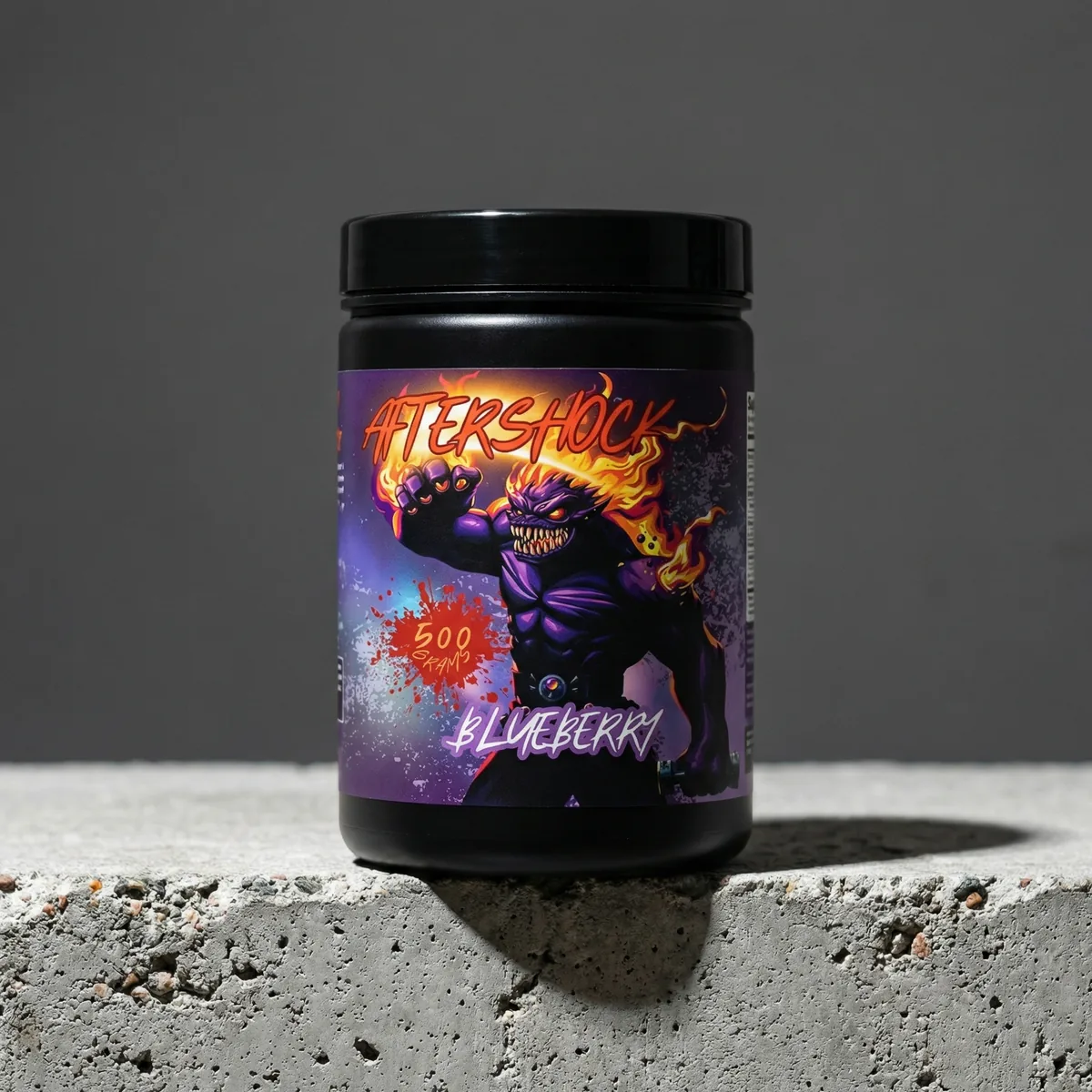
When comparing pre-workouts, it helps to focus on:
- caffeine and its dose
- whether beta-alanine is included
- performance ingredients like citrulline, creatine, and betaine
- label transparency
- whether the formula is built only for stimulation or also for training focus
This is far more practical than comparing ingredient count alone. A long formula is not automatically a good formula. For some people, a shorter and cleaner product is the better one.
With more modern products, the style of stimulation matters too. Not everyone wants 300+ mg of caffeine and a strong beta-alanine sensation. Some people want a calmer, more usable training profile.
What types of pre-workouts make sense today

Instead of obsessing over one “top product,” it is more useful to think in categories.
1. Traditional aggressive stimulant pre-workout
Who it may suit:
- people who want a very noticeable energy hit
- people who tolerate higher caffeine and beta-alanine well
Risk:
- more likely to cause jitters
- more likely to interfere with sleep
2. Balanced pre-workout
Who it may suit:
- most recreational to regular gym users
- people who want a reasonable balance of effect and usability
Risk:
- it may not feel “the strongest,” which some mistake for weakness
3. Focus-oriented or nootropic pre-workout
Who it may suit:
- people who care about training focus, not only raw stimulation
- people who want a smoother subjective feel
Risk:
- nootropics do not magically fix poor sleep or poor routine
4. Caffeine-free pre-workout
Who it may suit:
- evening training
- stimulant-sensitive users
- days when you already had enough caffeine from coffee
Risk:
- if you expect a classic stimulant feel, you may be disappointed
Red flags when comparing products
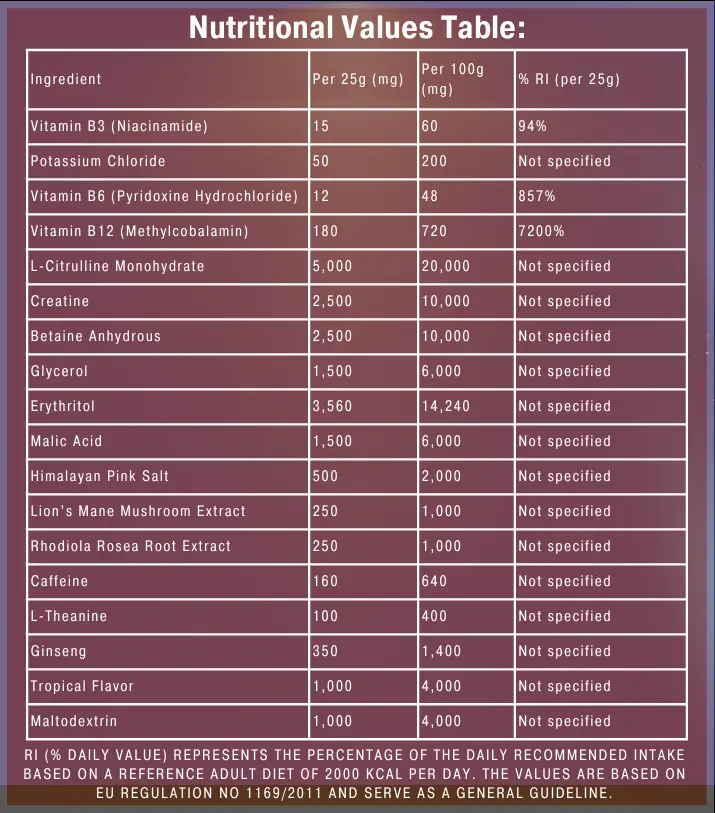
Be careful with:
- proprietary blends without exact doses
- comparing only the tub price
- “best on the market” claims with no real explanation
- blind worship of very high caffeine
- ignoring your own training time and tolerance
If an article is built on exact rankings, prices, and availability, it becomes outdated quickly. That is why a checklist is much more useful than a fixed top-five list.
Where Aftershock may fit
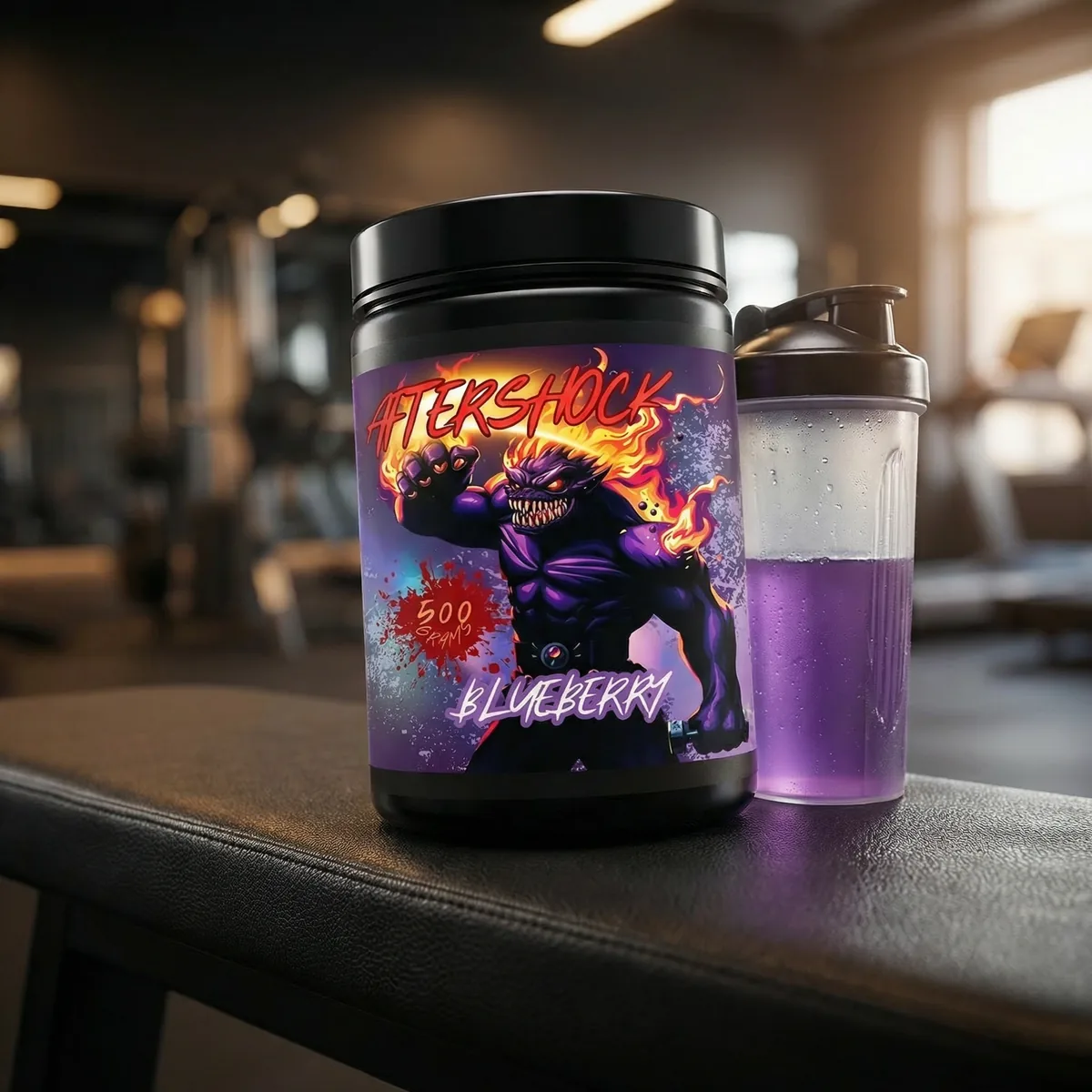
Aftershock V2 Premium may make the most sense if you do not want a classic aggressive stimulant product and care more about a balanced mix of performance and focus. It combines performance ingredients with a focus-oriented layer and uses a more moderate caffeine dose than some aggressive stimulant formulas.
That does not make it automatically the best choice for everyone. It simply makes it a better fit for people who:
- do not want beta-alanine tingling
- prefer a more transparent label
- want training focus, not only a harsher caffeine wall
If you only want the strongest stim possible or train late in the evening, a different type of product may fit better.
Frequently Asked Questions
What is the best pre-workout in 2026?
There is no honest answer without context. The best option is the one that fits your goal, tolerance, and training time.
Is a stronger pre-workout better?
Not automatically. For many people, usability, technique, and sleep matter more than extreme stimulation.
Does a nootropic pre-workout make sense?
For some people, yes, especially if they care about focus and do not want only a hard caffeine hit.
Is beta-alanine necessary?
No. It has its place, but it is not a mandatory part of every good pre-workout.
How should I compare two products?
Look at caffeine, performance ingredients, label transparency, beta-alanine, and whether the overall formula style fits you.
Related Articles
Try Aftershock and experience the power of nootropics.
Order Aftershock