

Glycine is one of those amino acids that gets mentioned more often now than it used to, especially in conversations about sleep and recovery. It is not a stimulant, not a flashy “hardcore” supplement, and not one of the loudest ingredients in sports marketing. It often comes up around sleep, collagen, and recovery. The important part is to stay with what the studies actually showed, and to know that glycine has no authorised health claim in the EU.
Table of Contents
- Key Takeaways
- What glycine is and what it does in the body
- Glycine and sleep: what the studies showed
- Glycine, collagen, and recovery: what follows and what does not
- Dosing and forms: free glycine is not the same as magnesium bisglycinate
- Food sources, evening routine, and who may want to consider glycine
- Safety and when to be cautious
- Where Chillicek fits
- Frequently Asked Questions
- Related Articles
Key Takeaways
| Takeaway | Detail |
|---|---|
| Glycine is an amino acid with several roles | It is part of collagen and also participates in neurotransmission. |
| Sleep is the most studied area | A few small studies with 3 g before bed, often with authors from a company that makes glycine. |
| Glycine is a building block of collagen | That does not mean a glycine supplement speeds up recovery. |
| Magnesium bisglycinate is not automatically “3 g of glycine” | The glycine content of a product has to be read on the label, not assumed. |
| Authorised health claim in the EU | Glycine has none. |
What glycine is and what it does in the body
Glycine is a non-essential amino acid. That means the body can produce it on its own. At the same time, it participates in several important processes, so the practical question is not only whether the body can make it, but whether total availability is enough in a given context.
In practice, glycine is most often discussed in three areas:
- sleep
- collagen and connective tissue
- glutathione and broader metabolism
It is neither a stimulant nor a nootropic. What the studies showed, and where their limits are, is covered below.
Glycine and sleep: what the studies showed
Sleep is the area where glycine has been studied most. Small Japanese studies gave roughly 3 g of glycine before bed and mainly tracked subjective ratings of sleep and next-day fatigue. For example, Bannai et al. (2012) studied healthy volunteers whose sleep was cut short for three nights and report less fatigue the following day.
That needs to be read carefully:
- these are small studies, not a large body of evidence
- some of the authors of these papers worked for a glycine manufacturer
- the outcomes were mostly subjective feelings
- glycine has no authorised health claim in the EU, including for sleep
The honest conclusion is this: studies on glycine and sleep exist, but they are small and not enough to say that glycine improves sleep. With long running sleep problems, the first step is a doctor, not a supplement.
Glycine, collagen, and recovery: what follows and what does not
Glycine is a major part of collagen. That matters biologically because collagen plays a role in connective tissue, tendons, cartilage, and skin. From that, people reason that glycine may also matter for recovery.
That idea needs to stay grounded. Glycine alone is not a shortcut to faster healing or instantly better joints. Recovery is always a bigger picture that includes:
- sleep
- energy and protein intake
- training load
- overall lifestyle
So it is fair to say glycine is part of collagen, but the evidence does not show that a glycine supplement improves recovery.
Dosing and forms: free glycine is not the same as magnesium bisglycinate
In the sleep studies, the most common dose is about 3 g of free glycine before bed. That is a different situation from taking magnesium bisglycinate.
Magnesium bisglycinate contains glycine bound to magnesium as a ligand. That does not mean every bisglycinate product automatically gives the same amount of free glycine used in the sleep studies. That is why reading the label matters and why “bisglycinate = 3 g glycine” is not a safe assumption.
In practice:
- if you read the glycine studies, compare doses of free glycine
- bisglycinate is first of all a form of magnesium and should be judged as one
That distinction is important, and many articles skip it.
Food sources, evening routine, and who may want to consider glycine

Glycine naturally shows up most in collagen-rich and gelatin-rich foods. That includes broths, gelatin, and cuts of meat with more connective tissue. Modern diets often focus more on lean muscle meat, so intake from these sources may be lower.
If you are thinking about a glycine supplement, keep in mind that it has no authorised health claim and the studies on it are small. With slow sleep onset or insomnia, working on your sleep schedule and caffeine, and seeing a doctor when problems persist, makes more sense than adding another supplement.
Safety and when to be cautious
Glycine is generally considered well tolerated. That still does not mean critical thinking should stop.
A more realistic summary:
- common supplemental doses are usually tolerated well
- higher doses may bother digestion in some people
- if you use medication or have a medical condition, it is sensible to check with a clinician
That matters even more if someone is dealing with psychiatric medication, blood pressure treatment, or several supplements at once. This article is not a substitute for individual medical advice.
Where Chillicek fits
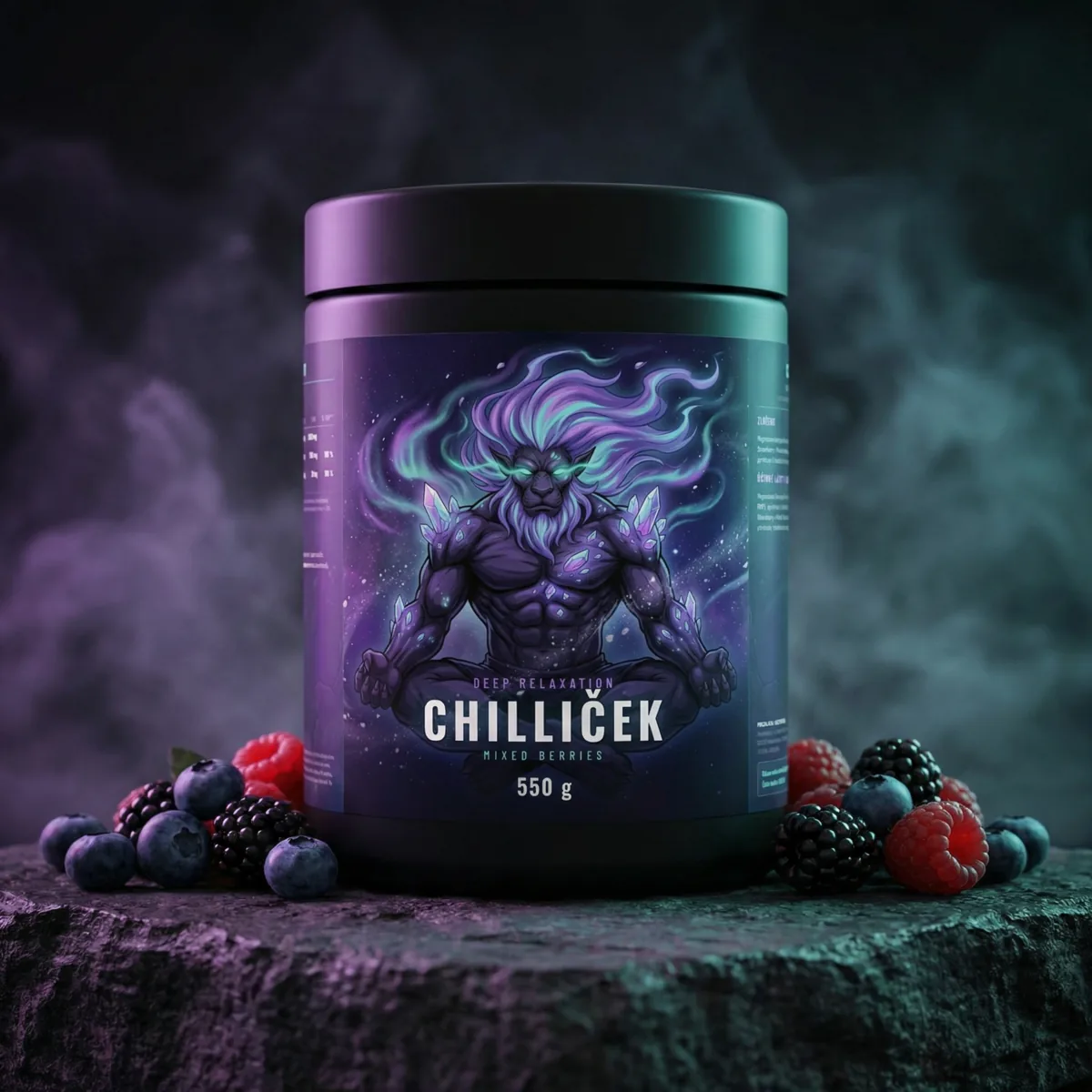
Chillicek is a magnesium drink with magnesium in bisglycinate form and vitamin B6, with no caffeine or stimulants. It is not a glycine supplement and it is not a sleep product. Its magnesium contributes to normal muscle function and the reduction of tiredness and fatigue, and vitamin B6 contributes to normal psychological function.
It is not a substitute for the 3 g of free glycine used in the studies either. If you are interested in glycine itself, that is a separate question and the label needs to be checked carefully.
Frequently Asked Questions
Does glycine make sense for sleep?
A few small studies with 3 g of glycine before bed report better subjective sleep ratings or less next-day fatigue, but the samples are small and some of the authors worked for a glycine manufacturer. Glycine has no authorised health claim in the EU and cannot be recommended as a solution for sleep problems.
Is glycine a stimulant or a nootropic?
No. It is most often written about in relation to sleep, collagen, and broader metabolism, and it has no authorised health claim in the EU.
Is magnesium bisglycinate the same as pure glycine?
No. Bisglycinate contains glycine bound to magnesium, but that does not automatically equal the same free-glycine dose used in sleep studies.
Can glycine help recovery?
Glycine is a building block of collagen, but there is no evidence that a glycine supplement improves recovery. Recovery rests on sleep, energy and protein intake, and a sensible training load.
Is glycine safe?
It is generally considered well tolerated, but medication use or medical issues are good reasons to check with a clinician first.
Related Articles
Chillicek gives you 375 mg of elemental magnesium per serving, as bisglycinate.
See Chillicek