
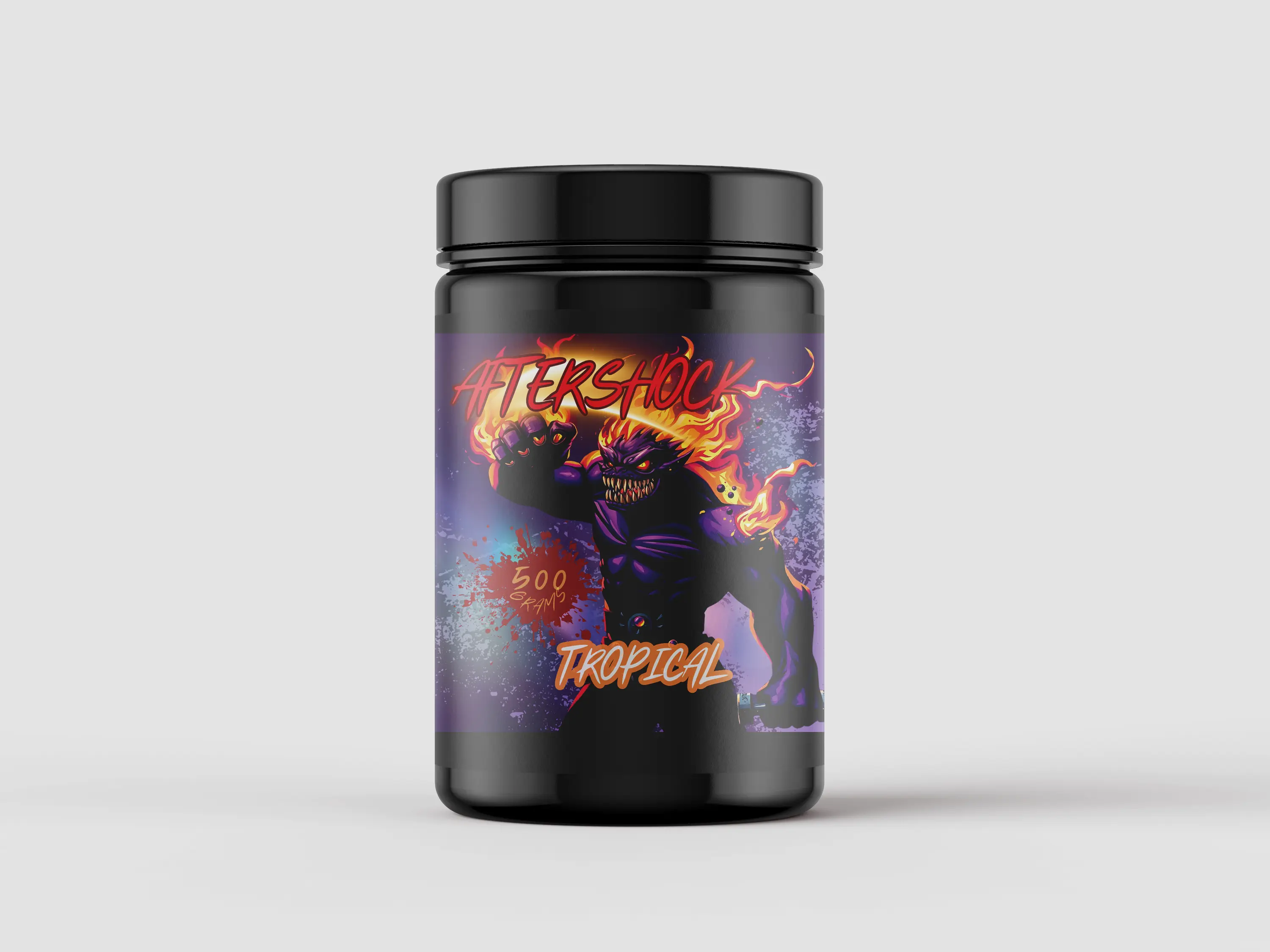
Caffeine is one of the best-studied substances in sports performance. That is exactly why athletes keep using it. At the same time, it is also an ingredient that is easy to misuse. More caffeine does not automatically mean a better workout, and a good effect can be ruined quickly by poor timing, poor tolerance, or damaged sleep.
Short answer
For performance the usual range is 3 to 6 mg of caffeine per kilogram of body weight, taken roughly 30 to 60 minutes before training. Most people do well at the lower end. The half-life is five to six hours, so an afternoon dose can cost you sleep. Train late and you go lower, or skip stimulants.
Table of Contents
- Key Takeaways
- How caffeine works in sport
- How much caffeine makes sense before training
- When caffeine helps and when it starts to hurt more than help
- Caffeine, sleep, and tolerance
- Caffeine plus L-theanine: why some people prefer the pairing
- Safety and caution
- Frequently Asked Questions
- Related Articles
Key Takeaways
| Takeaway | Detail |
|---|---|
| Caffeine is well studied for performance | It can support alertness, perceived effort, and some exercise outcomes. |
| The effect is individual | Dose, tolerance, training time, and total daily intake all matter. |
| More is not automatically better | Higher doses quickly raise the risk of jitters, shakiness, and worse sleep. |
| Caffeine works best on top of a decent routine | If you use it only to mask exhaustion and poor sleep, recovery will suffer. |
How caffeine works in sport

Caffeine is mainly discussed in sport because it can affect:
- alertness
- perceived effort
- readiness to perform
- and, in some cases, strength, endurance, or explosive output
The ISSN position stand on caffeine and exercise performance supports its use across several types of activity while also emphasizing individual variability and the importance of dose. ISSN position stand on caffeine and exercise performance
The most practical thing about caffeine is that many people feel its effect quickly. The most problematic thing is that this makes people push the dose higher than they need.
How much caffeine makes sense before training
Research often discusses a range of about 3 to 6 mg per kilogram of body weight. That does not mean everyone automatically needs that much. For some people, lower intake may still make sense, especially if they use caffeine rarely or are more sensitive to it.
A more practical approach is:
- start conservatively
- watch your own response
- count all caffeine from coffee, energy drinks, and pre-workouts together
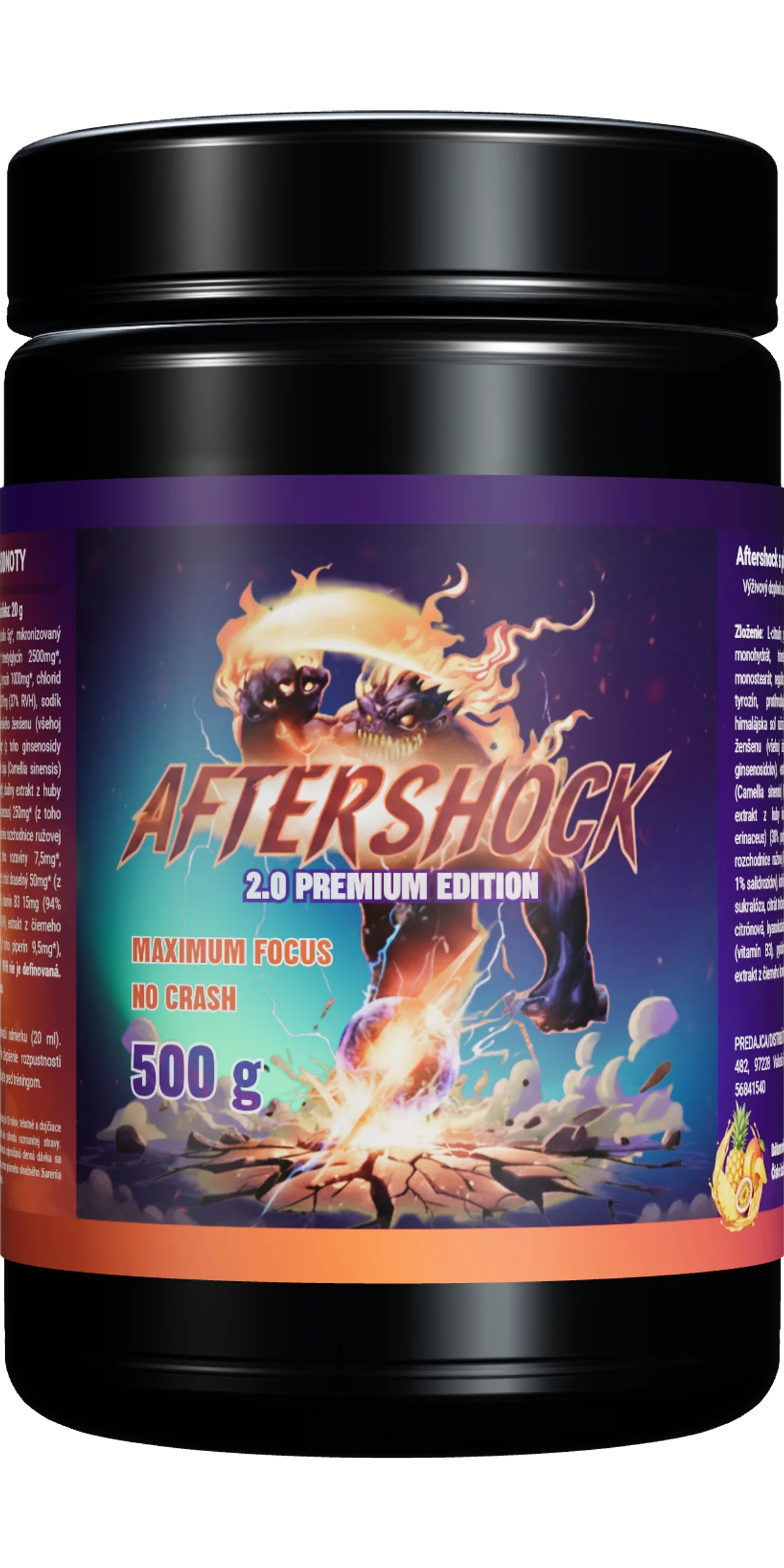
For reference, Aftershock V2 Premium contains 160 mg of caffeine per serving. That is a moderate, not extreme, amount. For some people it will feel comfortable. For others it is already plenty. Context matters more than the number alone.
When caffeine helps and when it starts to hurt more than help
Caffeine is usually useful when:
- you train at a time where extra alertness helps
- you already know caffeine suits you
- you want performance support without overshooting the dose
It becomes less useful or starts to backfire when:
- you use it to patch chronic fatigue
- you train late in the evening
- you have already had a lot of caffeine earlier in the day
- the dose makes you feel scattered or harms technique
Many people only notice that it “hit.” Fewer notice whether it also made them worse in the details that matter.
Caffeine, sleep, and tolerance
Caffeine can be performance-enhancing and sleep-disruptive at the same time. That is not a contradiction. It is exactly why timing matters. Reviews of the sleep literature consistently show that caffeine can worsen sleep measures, especially when used too late in the day. Systematic review on caffeine and sleep
That means performance may improve in one session while recovery worsens afterward.
Tolerance adds another layer. With regular use, some of the effect becomes blunted, and people often respond by increasing the dose. That is one reason many athletes do better when they do not use caffeine before every single workout.
Caffeine plus L-theanine: why some people prefer the pairing
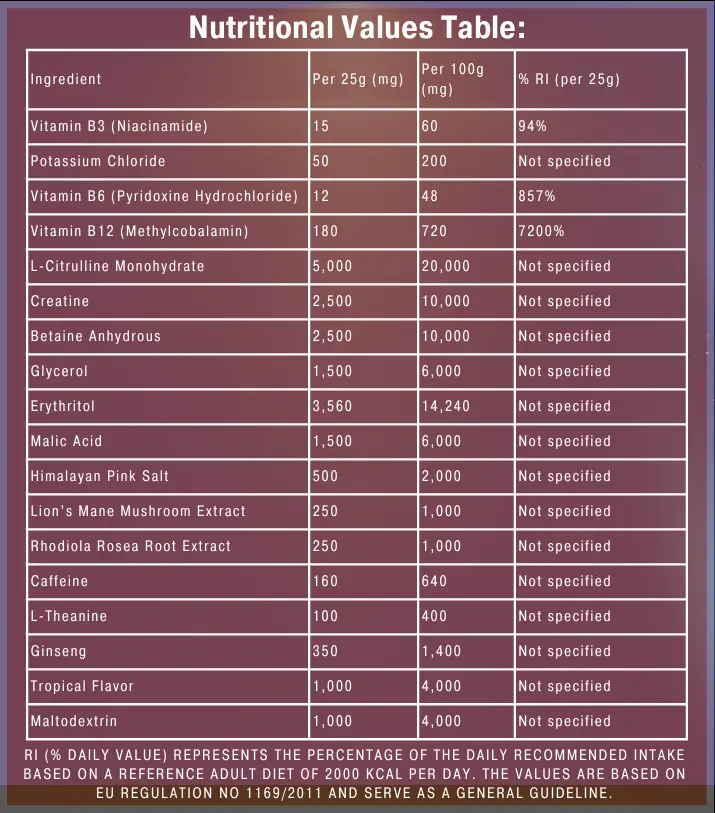
Caffeine is not just about the number of milligrams. What sits around it in the formula matters too. Caffeine plus L-theanine is a known pairing because, for some people, it changes the subjective feel of the stimulant effect. Some studies found improvements in attention-related outcomes compared with placebo. Haskell et al.
That does not mean L-theanine makes caffeine risk-free or that everyone will feel the same difference. A more careful interpretation is that some users find the combination smoother than caffeine alone.
That is one reason a moderate-caffeine product with L-theanine may feel better for some people than an aggressive high-stim pre-workout.
Safety and caution
Caffeine is familiar and widely used, but that does not mean it fits everyone equally well.
Extra caution makes sense if:
- you deal with anxiety or high nervousness
- caffeine harms your sleep
- you are managing blood pressure, heart rhythm, or another medical issue
- you are very sensitive to stimulants
In those cases, broad advice should not be treated as a universal rule.
Frequently Asked Questions
Is caffeine the best supplement before training?
It is certainly one of the most practical and best-studied options. That still does not make it ideal for every person and every training time.
How much caffeine is too much?
There is no single number that fits everyone. Body size, tolerance, daily intake, and sleep response all matter.
Is coffee better than a pre-workout?
It depends on the goal. Coffee is a simple source of caffeine. A pre-workout may offer a more controlled profile and additional ingredients.
When should I avoid caffeine before training?
Mostly when you train late in the evening or already know caffeine regularly harms your sleep and recovery.
Does caffeine plus L-theanine make sense?
For some people, yes. Usually the benefit is a smoother subjective feel rather than dramatically stronger performance.
Related Articles
Try Aftershock and experience the power of nootropics.
Order Aftershock